Minnesota Killings Put Federal Enforcement Under a Harsh Spotlight as Walz and DOJ Clash Over Accountability
- TDS News
- U.S.A
- January 26, 2026
By: Donovan Martin Sr, Editor in Chief
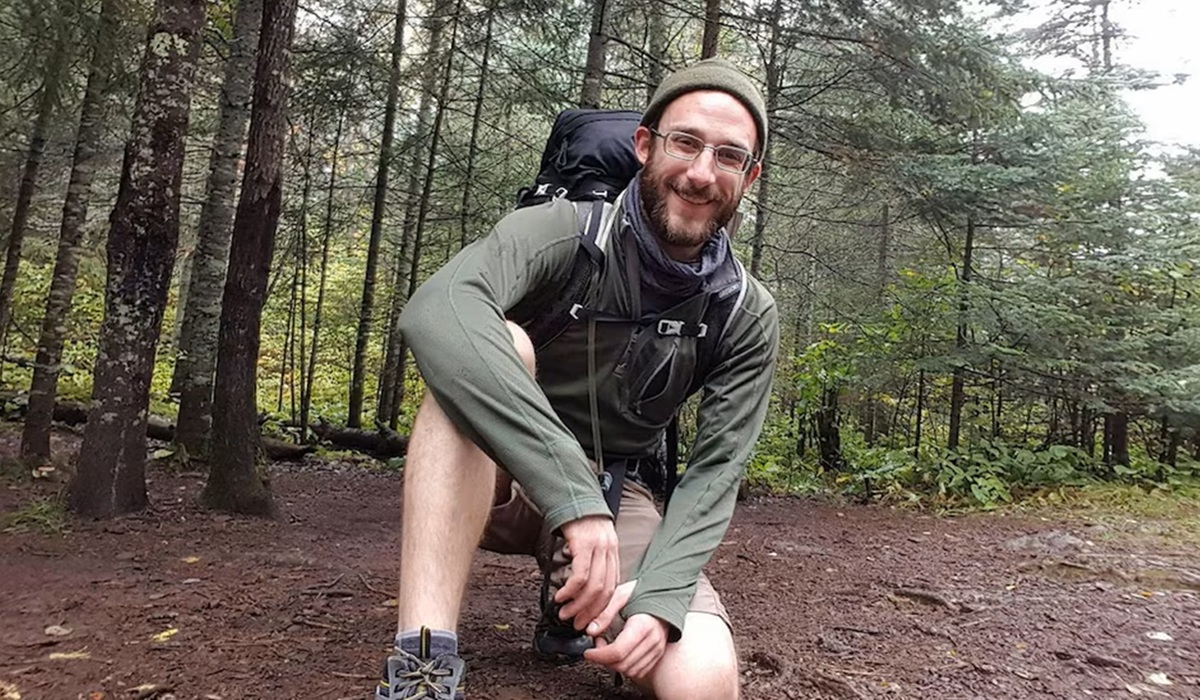
Image credit, Pretti Family
Minnesota is in shock after a string of deadly incidents tied to heightened federal immigration enforcement activity, and the political fallout has turned into a direct confrontation between state leadership and the U.S. Department of Justice. What makes this moment different is not only the human toll, but the speed at which the situation has evolved into a dispute over transparency, control of evidence, and whether federal law enforcement can credibly investigate itself when civilians are killed during enforcement operations.
The most widely reported and most politically explosive incident is the death of Alex Pretti, a 37-year-old nurse who was shot and killed during an encounter involving federal immigration officers in south Minneapolis. Federal officials said Pretti approached agents while armed, and that agents responded to an immediate threat. In the aftermath, public debate intensified as video footage circulated online, with critics arguing that the footage raised questions about whether the official description fully matched what could be seen. That conflict between the government’s narrative and the public’s review of visual evidence is now at the center of calls for an independent investigation.
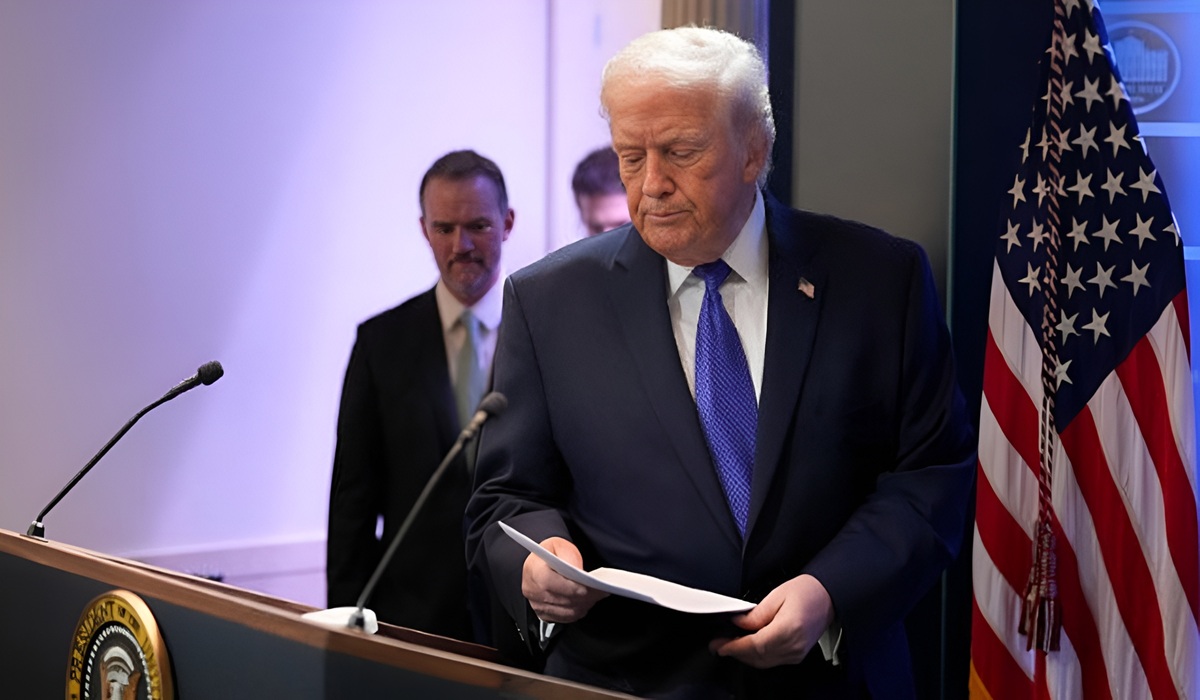
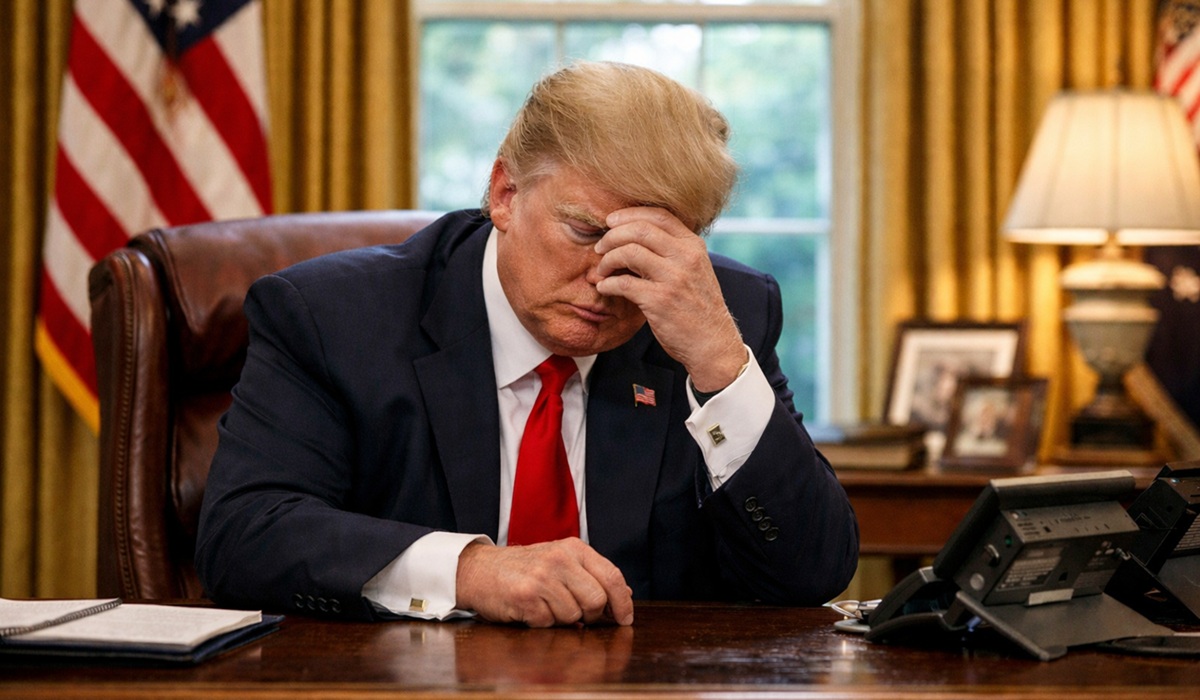
As the pressure mounted, Governor Tim Walz took an unusually forceful position, publicly urging President Donald Trump to remove federal immigration agents from Minnesota. Walz’s message has been consistent: the presence and posture of federal enforcement has escalated tensions and contributed to instability, and Minnesota cannot accept a situation where federal agencies control the facts, the investigation, and the outcome. Walz has framed the issue as one of public trust and accountability, arguing that the same institutions involved in a fatal shooting should not be solely responsible for determining whether wrongdoing occurred.
Walz’s response is not simply about a single case. Minnesota has seen multiple incidents connected to federal immigration enforcement operations and the protests around them, and state officials have been increasingly alarmed by the pattern. The broader concern is that aggressive enforcement tactics in a highly charged environment can produce rapid escalation, misunderstandings, and violence, particularly when communities believe they are being targeted and when protests become a daily reality. Once that cycle begins, each incident becomes fuel for the next.
The Department of Justice response has been tied to statements from Attorney General Pam Bondi, who has pushed back against Walz’s position and urged Minnesota to cooperate with federal immigration enforcement. The DOJ posture has been defensive of the enforcement mission and has signaled that the federal government expects compliance rather than confrontation from state leadership. Instead of stepping back to reduce friction, the DOJ response has underscored the administration’s view that immigration enforcement must proceed aggressively and that state leaders should be publicly aligned with federal action.
This has created a sharp split in messaging. Minnesota’s leadership is emphasizing accountability, public confidence, and the need for independent scrutiny when federal agents kill a civilian. Federal leadership is emphasizing authority, enforcement, and the expectation that states will not interfere with federal operations. The result is a standoff that is happening in public, in real time, and under intense media attention.
One of the most important elements in this story is that calls for investigation and transparency have not been limited to one party. Even some Republican lawmakers have urged clearer answers and stronger scrutiny of what happened, a detail that matters because it shows the public concern is not confined to ideology. When there is a death involving federal law enforcement, and when competing accounts appear to exist, the demand for an objective investigation becomes a baseline expectation for a functioning system.
At the center of the dispute is a simple but profound question: who controls the truth when the federal government is the actor and the investigator? Walz has argued that Minnesota cannot accept a process where evidence collection, witness interviews, and the official conclusions are effectively contained within federal agencies. That skepticism is not unusual in controversial cases, but it becomes far more consequential when the governor is openly questioning federal credibility while federal operations are still underway.
The situation is also being shaped by the larger political environment under President Trump. Immigration enforcement surges do not happen by accident, and the tone surrounding them is set from the top. Whether one interprets this as “deliberate escalation” depends on the lens being used, but the fact pattern supports that the increased enforcement presence is a product of policy decisions and operational priorities. It is also true that the federal government has not treated Minnesota’s concerns as a reason to pause, reassess, or reduce the temperature. The posture has remained forward-driving, even as anger and anxiety rise.
That is why this moment feels unprecedented to many Minnesotans. It is not simply the killing itself, as devastating as that is. It is the combination of death, political confrontation, and continued operations happening simultaneously, with no shared agreement between state and federal leadership about legitimacy, accountability, or what the public should be told.
The other reality is that when federal enforcement and public protest collide, the environment becomes volatile fast. When people believe they are being hunted or treated as collateral damage, they may react with fear, panic, or aggression. When officers believe they are operating in hostile territory, they may react with heightened suspicion and rapid use of force. Those dynamics are well known in modern policing and crowd-control scenarios, and they do not improve when the public believes officials are controlling information instead of releasing it.
Minnesota now faces a narrowing set of options. If federal agents stay and the protests continue, the risk of further confrontation increases. If state leaders attempt to block or disrupt enforcement actions, it could trigger major legal clashes and even more tension on the ground. If the DOJ continues to posture defensively while refusing outside scrutiny, public trust will deteriorate further, and the system’s credibility may erode beyond repair in the eyes of large parts of the public.
What happens next will depend heavily on whether there is an investigation that is credible to both the state and the public. That means full access to body camera footage if it exists, clear documentation of who fired shots and under what conditions, and a process that is not controlled solely by the same agencies involved in the incident. It also means the public is likely to demand answers quickly, because in the absence of verified information, rumors harden into beliefs, and anger becomes permanent.
For Minnesota, the killings are not just another tragic headline. They are a stress test of democratic legitimacy in a moment when trust is already fragile. For the Trump administration, the state’s pushback is a test of how far federal enforcement power can go inside a resisting state without triggering wider backlash. The deeper concern, shared by many Americans regardless of party, is that when death becomes part of enforcement operations, and when the investigation becomes a political battle, the country edges closer to a dangerous normalization of chaos.
Minnesota’s leaders are making clear they do not want that future. The federal government is making clear it will not slow down. In between those two positions are grieving families, fearful communities, and a public demanding a simple thing that should never be controversial after a killing: the full truth, independently verified, before the next tragedy happens.
About The Author