The Educational Benefits of a Backyard Pond Ecosystem
- Casey Cartwright
- Home Improvement
- January 26, 2026
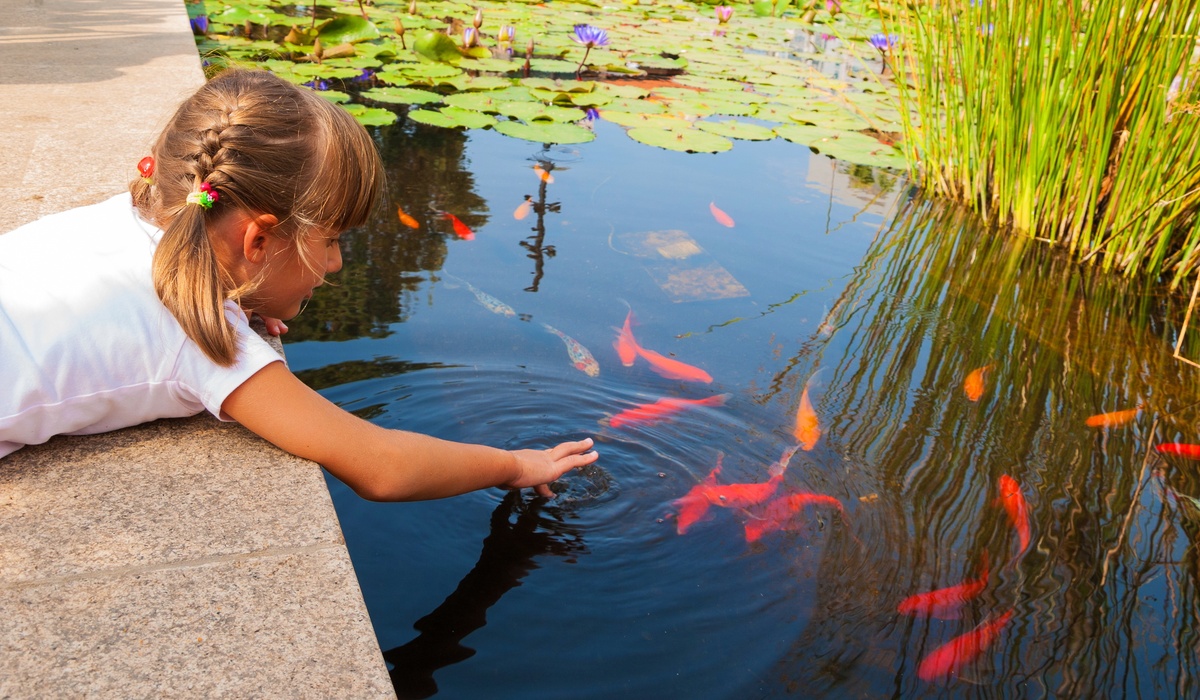
A backyard pond offers much more than simple aesthetic appeal for a property. It represents a miniature, self-contained world teeming with life and natural processes. For children, this aquatic feature transforms a simple garden into a dynamic outdoor classroom.
A pond provides countless opportunities for hands-on discovery and direct observation of complex biological principles. Students can explore concepts from ecology, biology, chemistry, and physics right in their own backyard. This direct interaction with nature fosters a deep appreciation for the environment from an early age.
The educational benefits of a backyard pond ecosystem move education beyond textbooks and screens, into a tangible, memorable, and interactive experience. The lessons learned at the water’s edge can last a lifetime and spark a passion for science.
Observe the Complete Life Cycle
A pond provides a front-row seat to the wonders of metamorphosis and the full life cycle. Children can witness firsthand the transformation of tadpoles into frogs over several weeks. This process illustrates biological development in a clear, observable manner.
Dragonfly nymphs also inhabit the pond, eventually to emerge as beautiful winged adults. These natural events demonstrate the incredible adaptations that different species possess for survival. Such observations make abstract biological concepts both concrete and fascinating for young learners.
Understand Complex Food Webs
Ponds showcase the intricate connections within a food web in a clear, observable way. Children see how algae and aquatic plants form the base of this delicate structure. Small insects and invertebrates then consume these producers, demonstrating the flow of energy.
Frogs, fish, and birds appear at the top, and prey on smaller creatures for their sustenance. This natural drama illustrates the roles of producers, consumers, and predators within an ecosystem. A pond ecosystem helps students understand the interdependence of all its living organisms.
Explore Plant Biology and Botany
Aquatic plants introduce children to a unique and diverse area of botany. They discover how plants like water lilies adapt to live on the water’s surface. Submerged plants demonstrate different strategies for photosynthesis with limited light and oxygen.
Students can also learn about the important roles these plants have in the ecosystem. Plants provide essential oxygen for fish and other animals that live in the pond. They also offer shelter and protection for many small aquatic creatures from predators.
Learn Basic Water Chemistry
Ponds serve as excellent laboratories for fundamental lessons about water chemistry and its properties. Students can test pH levels to understand the concepts of acidity and alkalinity. They can also measure levels of nitrates and ammonia in the water samples.
These tests reveal how animal waste and decomposition affect the pond’s overall water quality. This is one of the best hands-on science activities for kids, where they can learn and appreciate the delicate balance required to sustain aquatic life within the small habitat. Simple kits make these scientific measurements accessible and easy for all age groups.
Promote Environmental Stewardship
Direct interaction with a pond ecosystem fosters a strong sense of environmental responsibility. Children develop an attachment to the creatures and plants that inhabit their own backyard. They learn that their actions directly affect the pond’s health.
This personal connection encourages them to become caretakers of their miniature environment. They understand the importance of conservation and the need to protect natural habitats. These early experiences cultivate a lifelong commitment to protect our planet’s resources.
Discover Principles of Physics
A pond ecosystem offers numerous opportunities to explore core principles of physics. Learning why water circulation is necessary for pond health will teach students about aeration, oxygen exchange, and the prevention of stagnant water, which harms the local ecosystem. The installation of a small pump or waterfall can show these concepts.
Observing how light refracts and reflects on the water’s surface introduces optic principles. The concepts of water displacement and buoyancy become tangible as objects float or sink. These practical examples make abstract physics principles easier for young minds to comprehend.
Investigate Seasonal Changes
A backyard pond offers a perfect microcosm to observe the profound impact of seasons. Students see how the ecosystem adapts to different temperatures, light, and weather conditions. This provides a year-round lesson in environmental science and adaptation for all life.
Here is how a pond changes throughout the year:
- In spring, life awakens with frog spawn and new plant shoots.
- Summer brings rapid growth, abundant activity, and warmer water temperatures.
- Autumn shows plants start to decay and animals prepare for the winter.
- Winter may bring a layer of ice, and life slows down considerably.
Enhance Observation and Patience
One of the main educational benefits of a pond ecosystem is the development of sharp observational skills and patience. Children learn to sit quietly and watch for the subtle movements of aquatic life. They discover that nature reveals its secrets to those who wait and watch carefully.
This practice enhances their ability to focus and pay attention to small details. They learn to document their observations through journals, drawings, or even photographs. These activities build valuable scientific skills that will serve them well in school.
Understand Biodiversity Concepts
A small backyard pond can host an incredible variety of life, which illustrates biodiversity. From microscopic organisms to larger animals like birds, the pond supports numerous species. Each organism has a specific niche and purpose within this complex aquatic community.
Children learn to identify different plants, insects, amphibians, and even visiting mammals. They come to appreciate the richness that a multitude of species brings to an ecosystem. This knowledge helps them understand the importance of biodiversity on a much larger scale.
Spark Creativity and Inquiry
A pond ecosystem naturally stimulates a child’s curiosity and encourages them to ask questions. They wonder about the creatures they see and the processes they observe daily. This sense of wonder is the foundation of all scientific inquiry and exploration.
The pond becomes a source of inspiration for creative projects, such as stories or art. It connects scientific learning with imaginative expression in a very powerful and unique way. This blend of art and science nurtures a well-rounded and inquisitive young mind.
A backyard pond is a valuable educational resource that offers countless benefits. It transforms any outdoor space into a living laboratory for children of all ages. The hands-on lessons in biology, chemistry, and environmental science are immediate and impactful.
Children who engage with a pond ecosystem develop a profound respect for the natural world. This early connection to nature can shape their interests, their passions, and their future. It provides a foundation for a lifetime of learning, discovery, and environmental stewardship.
About The Author