By Donovan Martin Sr, Editor in Chief
The moment a U.S. President starts talking about a neighbouring ally like it is a cargo chute for a foreign power, you already know the argument is not about trade. It is about control. It is about punishing defiance. It is about sending a message to anyone watching that independence comes with a price.
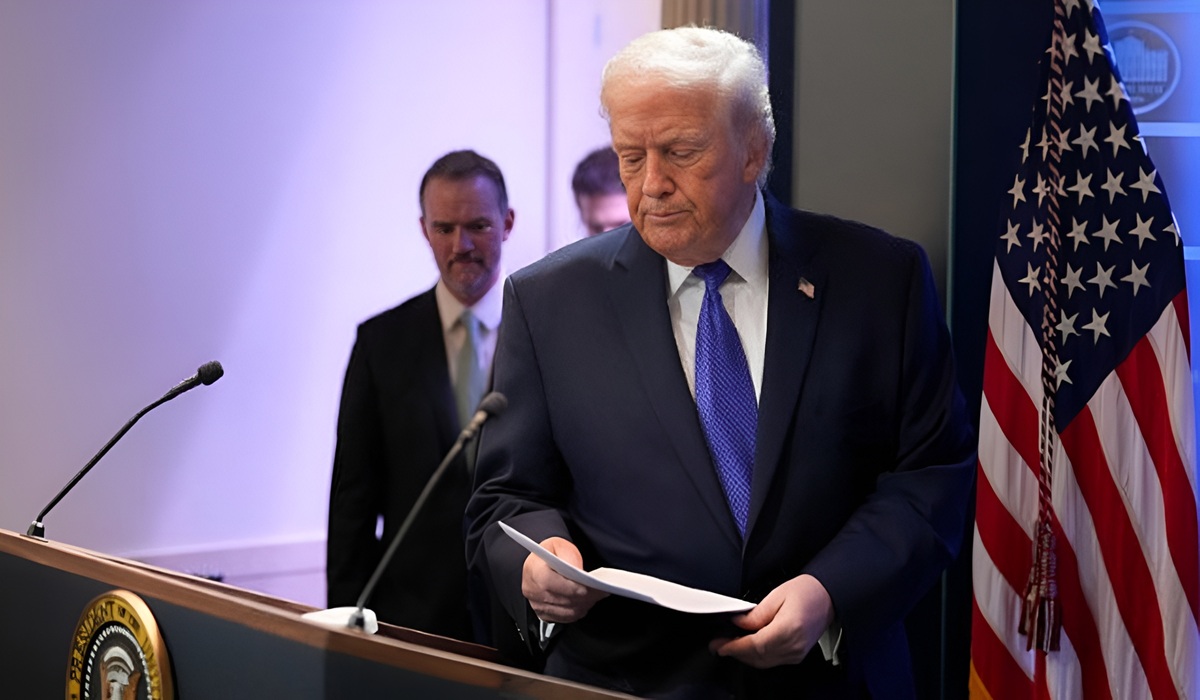
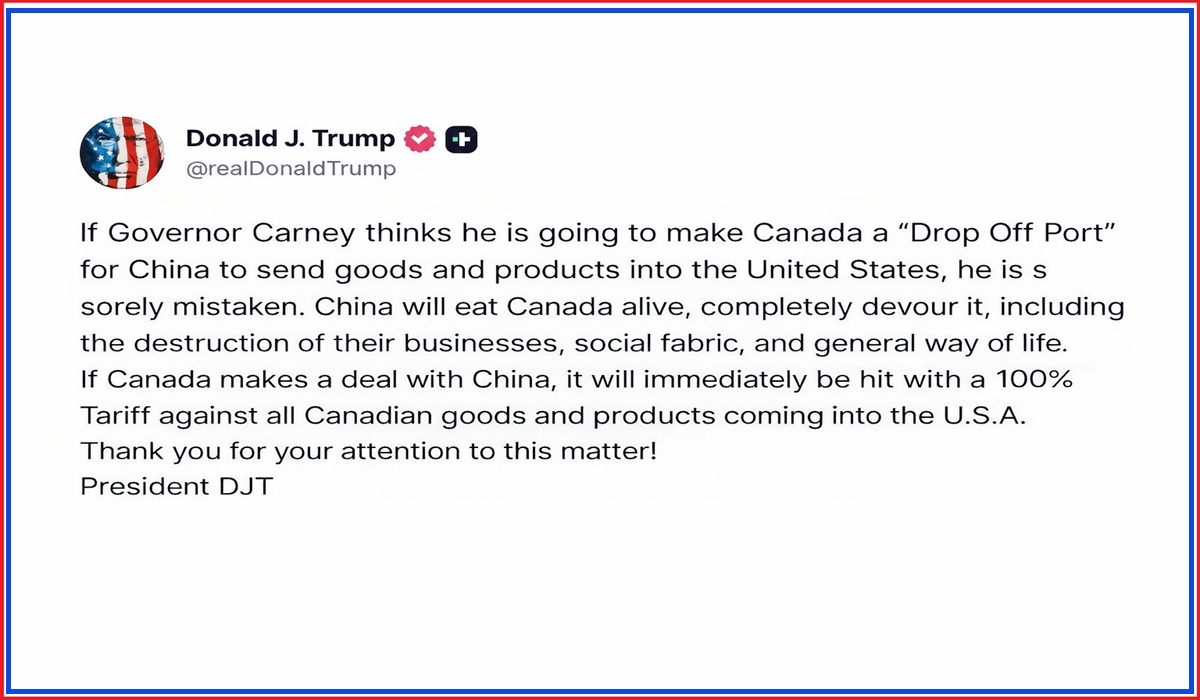
Donald Trump’s latest warning aimed at Canadian Prime Minister Mark Carney is being framed in some corners as a serious economic position, but it reads far more like a political threat delivered in the language of policy. The accusation that Canada is trying to become a “drop off port” for China is not a measured claim backed by evidence, and it is not a responsible way to speak about the closest trading partner the United States has. It is an attempt to smear, to simplify, and to turn complex trade relationships into a cartoon villain story where Canada is either obedient or guilty.
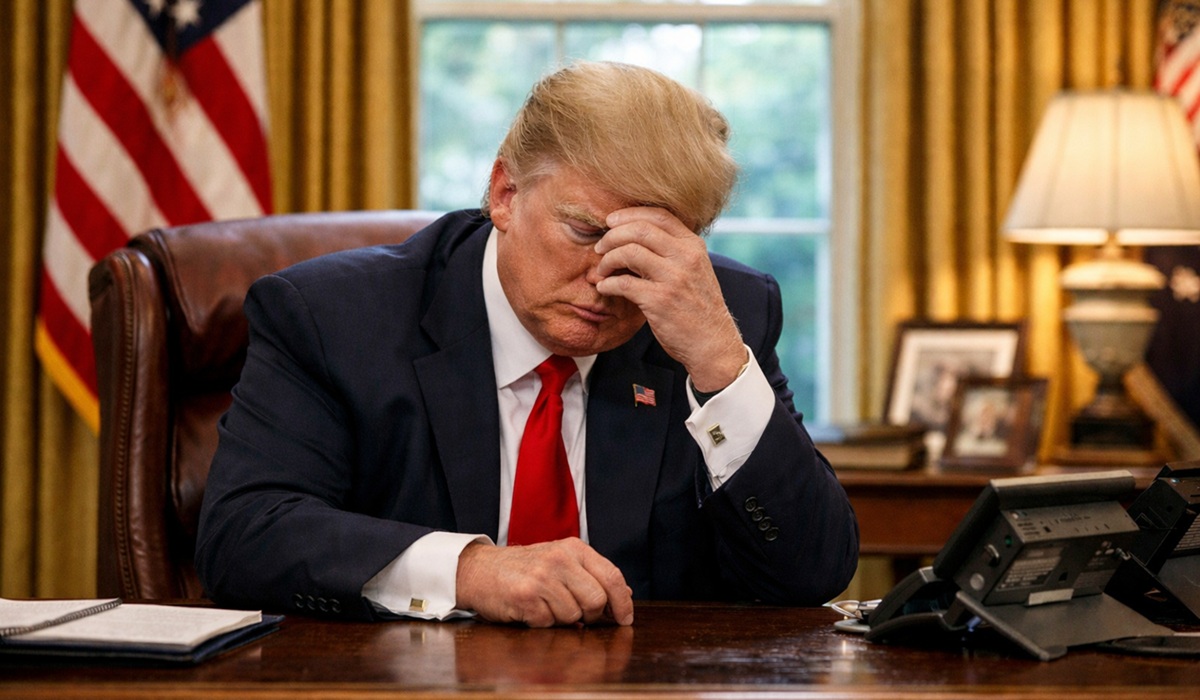
The blunt truth is that this is the fallout of being called out. Carney did what most leaders hesitate to do in the modern era. He spoke plainly about the instability coming out of Washington and the damage it causes when American leadership treats rules as optional, allies as disposable, and economic power as a weapon to swing around for applause. Trump’s response is not to clarify, negotiate, or compete. His response is to threaten. It is to pull out the biggest number he can find, “100%,” and use it like a club, not because it is smart, but because it is loud.
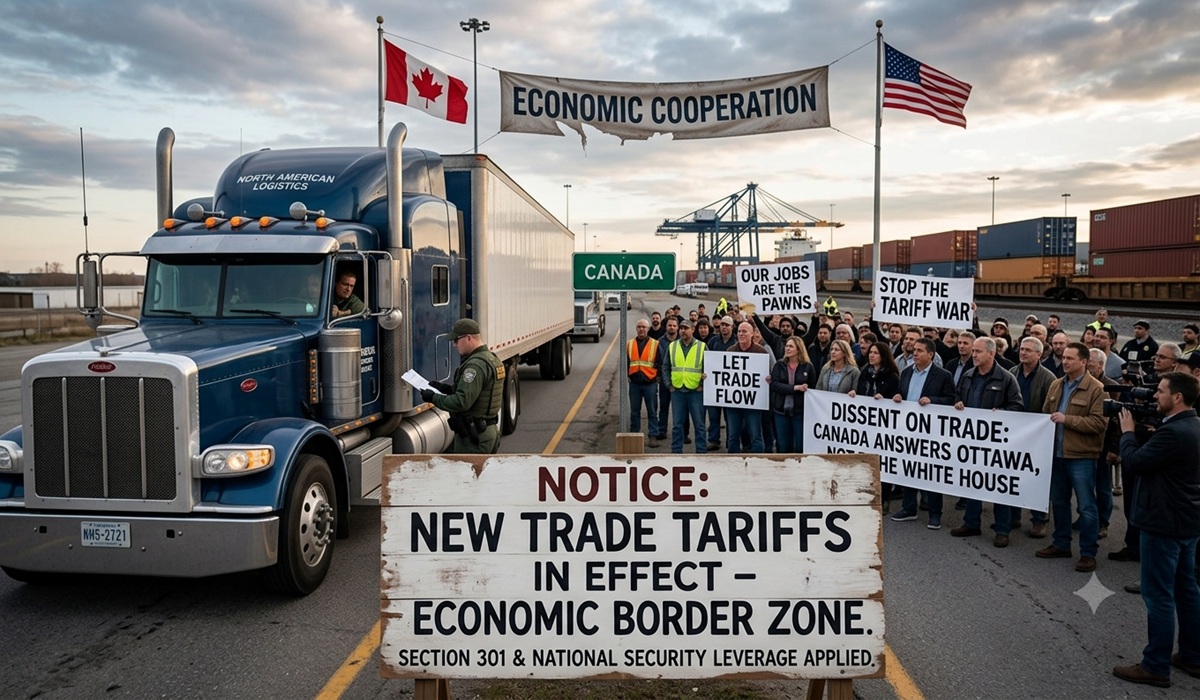
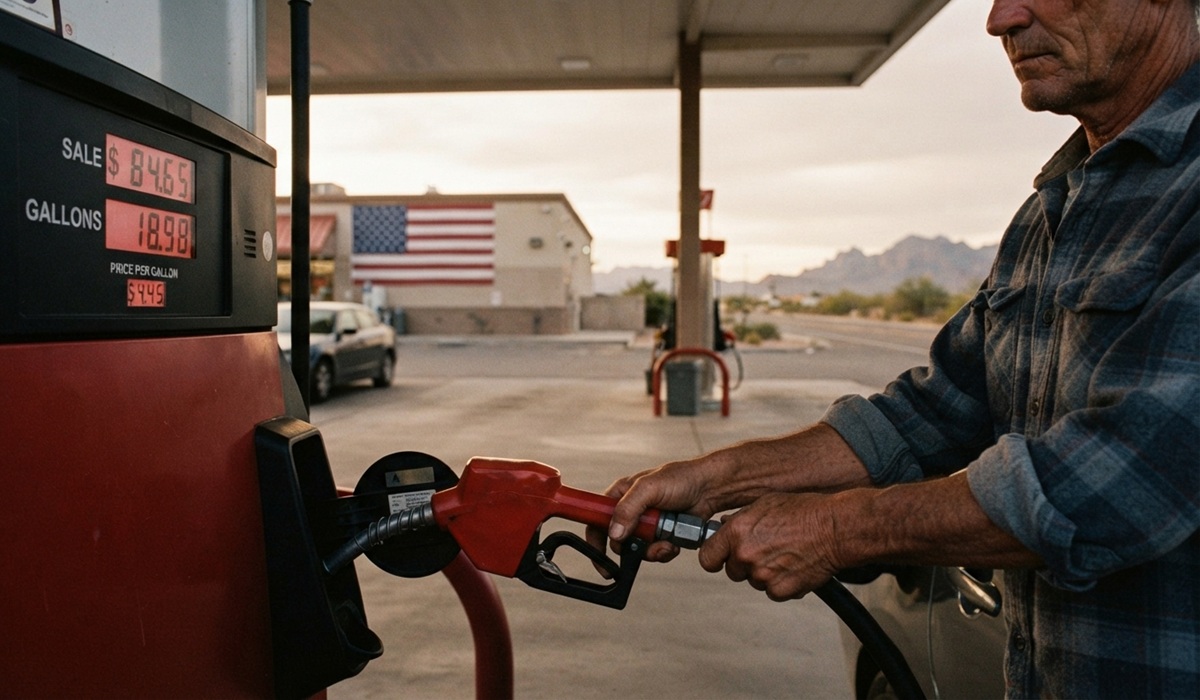
That is where the real story starts, because the tariff threat is not primarily a punishment aimed outward. It is a pressure bomb set off inside America. Tariffs do not fall out of the sky onto a foreign government. They move through a chain. Importers pay first. Retailers mark up prices next. Consumers get hit last, but they get hit the hardest because there is no negotiating at the checkout line. The public is told it is “tough” and “strategic,” but the lived reality is higher prices, disrupted supply, and more financial strain on households that are already watching every bill.
Canada will not “be eaten alive” by trade diversification, and Americans will not be saved by trade tantrums. What will happen, if this pattern continues, is something far more dangerous and far more permanent than a short-term dispute. Countries begin to redesign their economic relationships around one simple principle: predictability matters more than power. When the United States becomes the place where agreements can be punished on a whim and trade can be frozen for political theatre, partners do what rational actors always do. They reduce exposure. They reroute. They build alternatives.
This is not a theory. It is the direction the world moves when the dominant player stops acting like a partner and starts acting like a toll booth. It is slow at first, then it becomes routine, and then it becomes structural. The U.S. doesn’t just lose specific deals. It loses trust. It loses the benefit of the doubt. It loses the quiet cooperation that makes the global economy function without constant friction.
And when that day arrives, Trump will not be the one left repairing the damage. He will be gone, replaced by someone else trying to explain to the world that America can still be relied on. The hard part is that once you break relationships with threats, you do not rebuild them with speeches. You rebuild them with years of restraint, consistency, and credibility, and those are the exact qualities this style of leadership burns to the ground.
So the real question is not whether Canada should trade with China or the United States. The real question is what happens when the United States starts demanding that loyalty replaces logic, and when it punishes any country that refuses to live on its knees.
About The Author