California Governor Gavin Newsom has increasingly positioned himself as the leading Democratic figure most ready to step onto the national stage ahead of the next U.S. presidential election. Within Democratic circles, and among international observers, he is widely viewed as a front-runner for the party’s nomination when the field opens. That perception is not driven by charisma alone, but by a combination of executive experience, communication skills, and a clear willingness to confront political opponents directly.
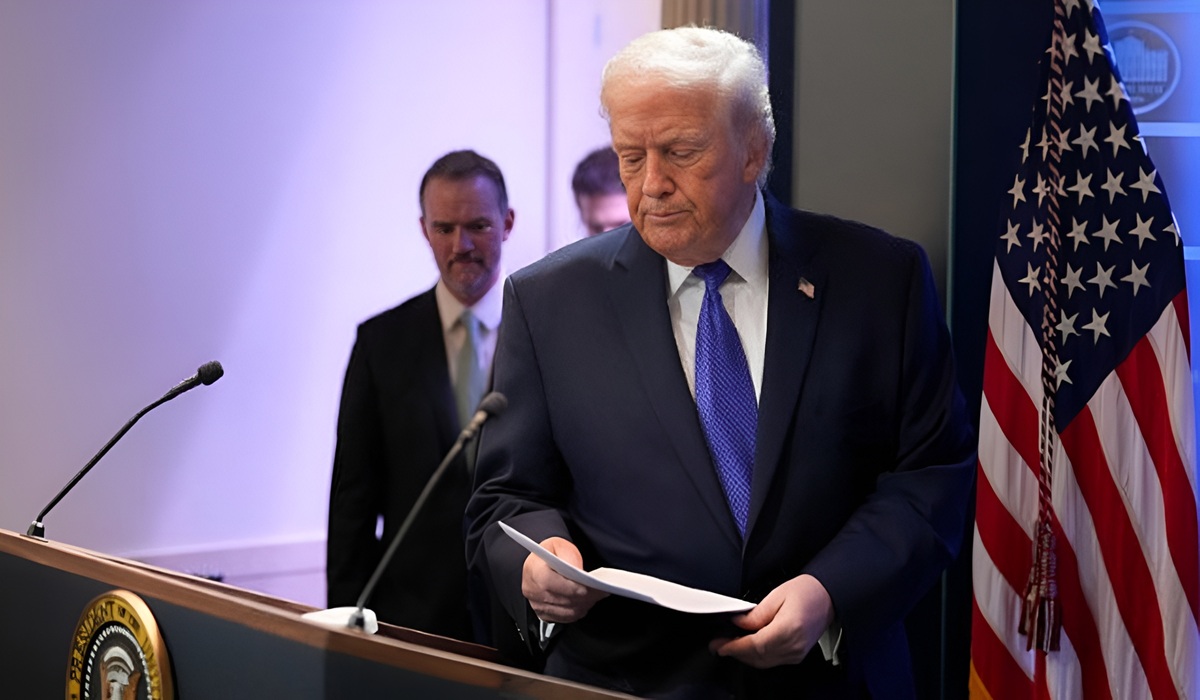
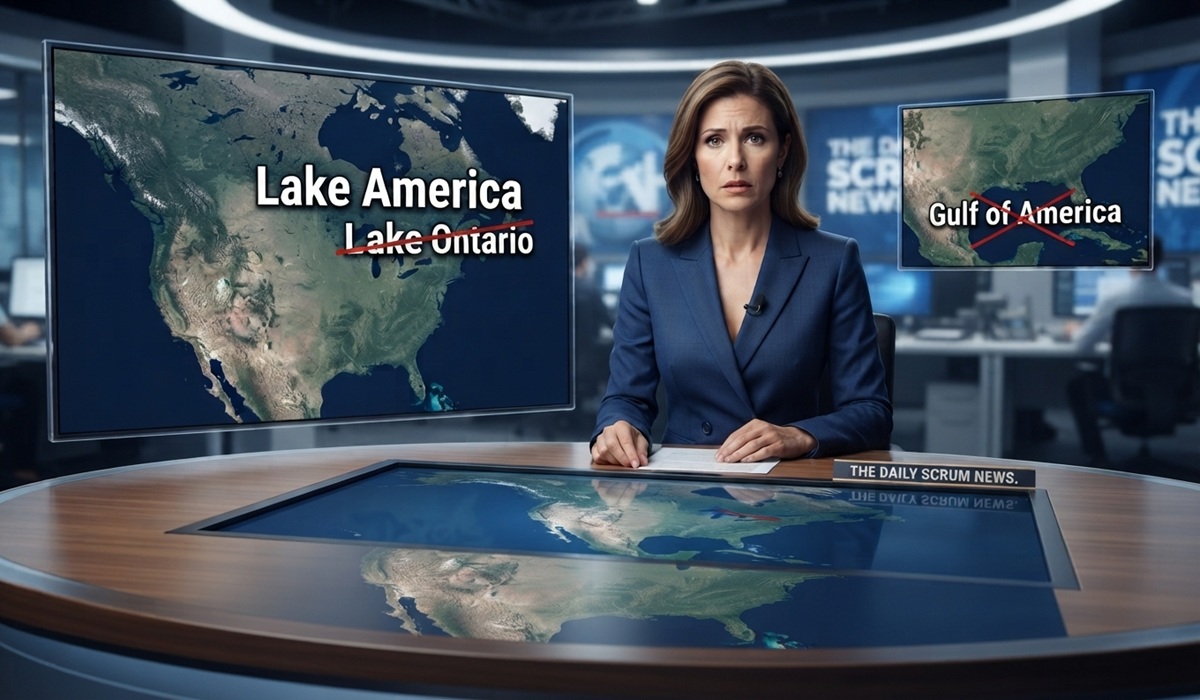
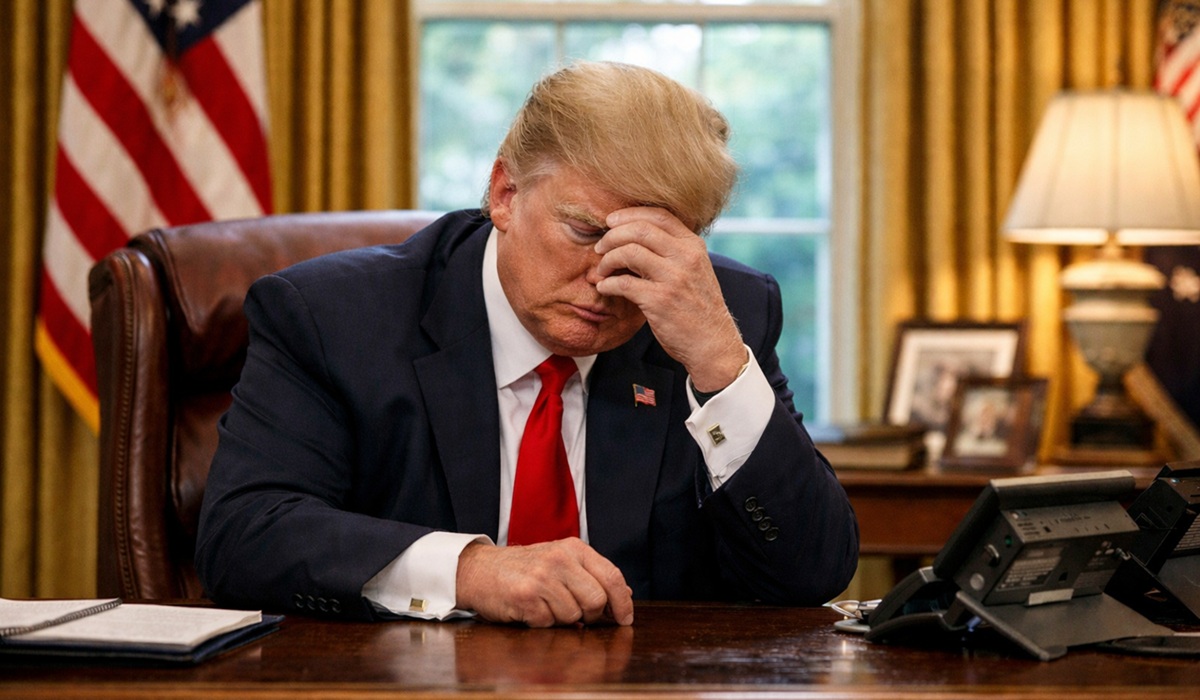
Newsom has shown he is comfortable in high-pressure political combat, particularly in his confrontations with Donald Trump and the current Republican leadership. Rather than relying solely on traditional Democratic messaging, Newsom has adopted a more aggressive rhetorical posture, arguing that today’s political climate sometimes requires meeting opponents on their own terms to break through to the public. His recent use of pointed symbolism and sharp satire toward Republican lawmakers loyal to Trump was intentional. The governor has openly acknowledged that these tactics are not his preference, but a calculated response to what he views as an erosion of good-faith governance in Washington.
This shift has not gone unnoticed. Supporters see it as evidence of political adaptability and resilience, while critics question whether such approaches risk lowering the tone of national discourse. Newsom’s own explanation has been consistent: the goal is not spectacle for its own sake, but clarity. In his view, confronting power directly and plainly is sometimes the only way to expose contradictions and force accountability.
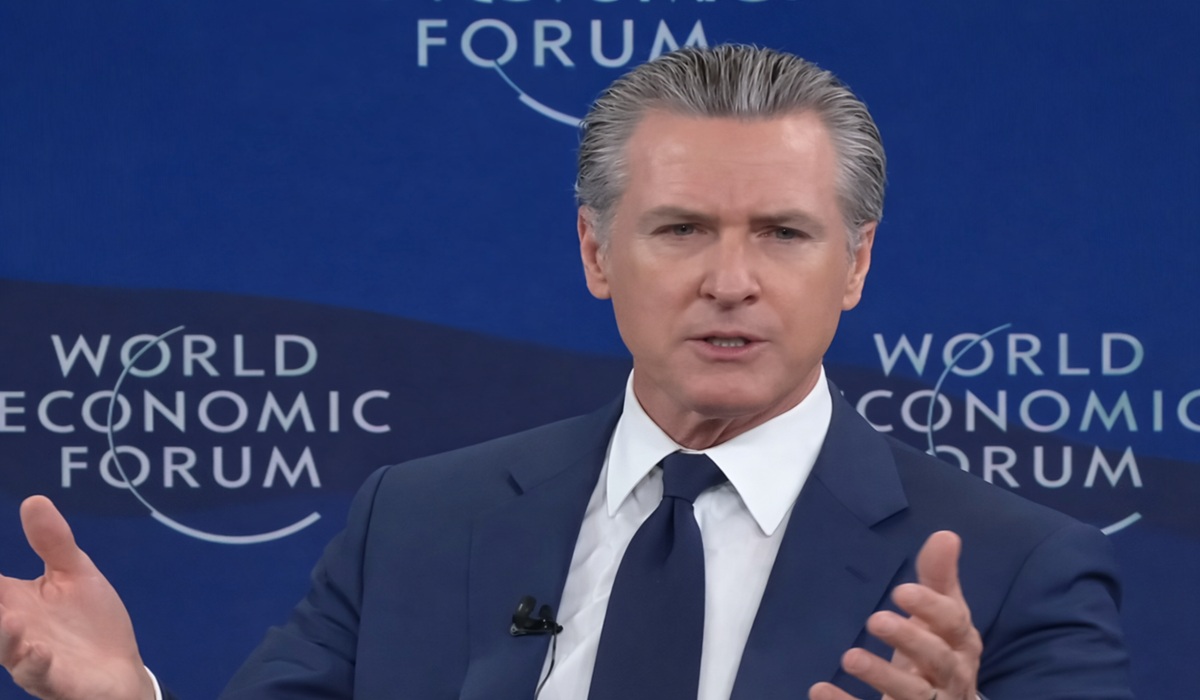
That approach was on display on the global stage at the World Economic Forum in Davos. Despite logistical and diplomatic hurdles, including reported difficulties surrounding access to U.S. facilities traditionally coordinated through the State Department, Newsom ultimately delivered his message. When the opportunity came, he used it to articulate a vision of American leadership grounded in stability, predictability, and partnership rather than confrontation for its own sake.
For many observers, Davos served as an unofficial audition. It was a test of whether a state governor could operate credibly in an international environment typically reserved for heads of state, finance ministers, and global executives. By most assessments, Newsom met that test. He spoke with fluency on economic cooperation, democratic institutions, and the responsibilities of American leadership in a fragmented world. Importantly, he avoided ideological grandstanding, focusing instead on pragmatic engagement and institutional trust.
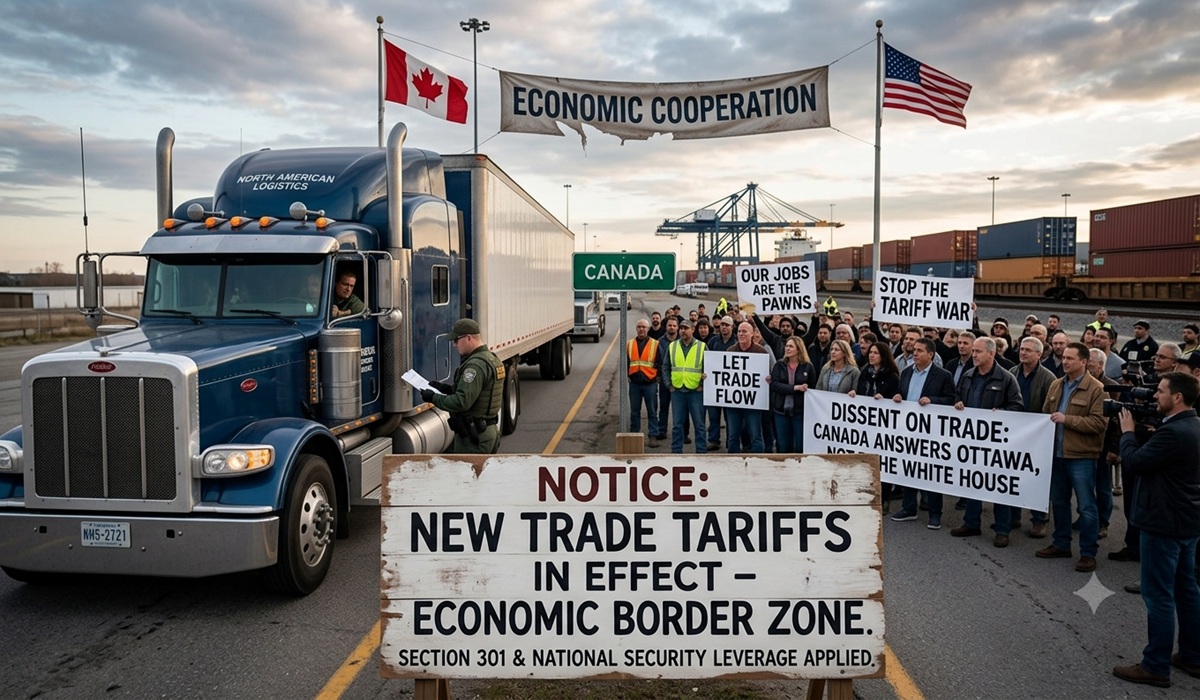
Central to his message was the idea of restoring cordial, functional relationships with long-standing allies, particularly Canada. Newsom emphasized that strong cross-border partnerships are not merely symbolic, but economically and strategically essential. He framed cooperation as mutually beneficial, rooted in shared values and practical interests rather than political theater.
Taken together, these moments have strengthened the perception that Newsom is preparing for a larger role. He has demonstrated comfort with confrontation, competence in diplomacy, and an ability to shift between domestic political combat and international statesmanship. Whether or not he formally enters the presidential race, his recent actions suggest deliberate positioning.
There was no attempt at self-promotion on the Davos stage, nor overt campaigning. Instead, Newsom presented himself as a governing executive focused on outcomes, willing to work across ideological lines, and clear-eyed about the challenges facing the United States at home and abroad. For many within the Democratic Party, that combination explains why he is increasingly seen not just as a potential candidate, but as the one to beat.
About The Author