At Least 39 Killed in Spain’s Deadliest Rail Disaster in More Than a Decade
- Xuemei Pal
- Breaking News
- Europe
- January 19, 2026
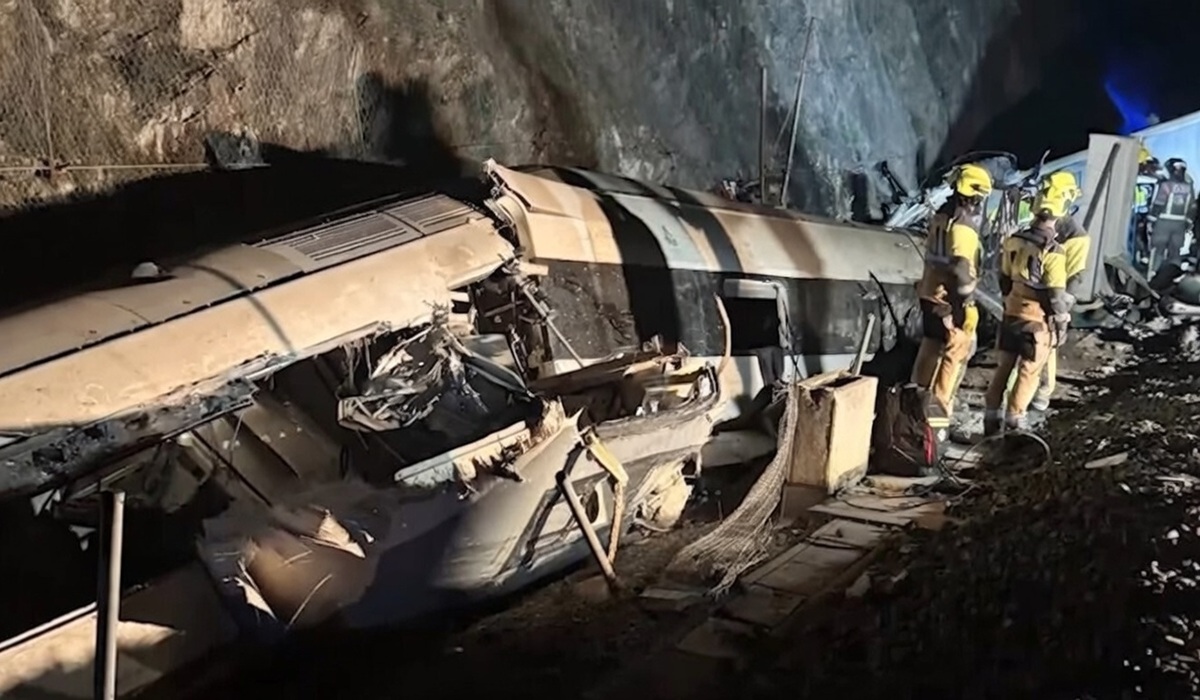
At least 39 people were killed and more than 150 injured after two high-speed passenger trains collided in southern Spain on Sunday evening, marking the country’s deadliest rail disaster in more than a decade. The crash occurred near the town of Adamuz in Córdoba province when one train derailed and entered an adjacent track, where it was struck by a second oncoming service. Emergency responders described scenes of severe destruction, with multiple carriages overturned and twisted, leaving passengers trapped and necessitating complex rescue operations.
Officials confirmed that one of the trains had been traveling from Málaga to Madrid while the other was on a Madrid to Huelva route. The collision occurred around 7:40 p.m. local time, and eyewitnesses described intense smoke and debris following the impact. Rescue crews, including firefighters, medical teams, and civil protection units, worked through the night, navigating difficult terrain in a rural area to evacuate passengers and provide emergency medical care. Several of the injured were reported in critical condition, while others suffered serious injuries including fractures, burns, and trauma from the impact. Authorities warned that the death toll could rise as identification of victims continues and some of the injured remain in intensive care.
Spanish Prime Minister Pedro Sánchez canceled scheduled engagements to oversee the emergency response and expressed condolences to the victims and their families. Transport Minister Óscar Puente described the derailment as “extremely unusual” given that the affected track had recently undergone maintenance and inspection. Investigators are examining multiple potential causes, including technical failure, signaling errors, track integrity, and human error, and have stated that it is too early to draw definitive conclusions. National rail operator Renfe and private operator Iryo are cooperating fully with authorities, providing information on speed, communications, and train operation protocols leading up to the crash.
The region has seen investment in high-speed rail over the last decade, and safety authorities are reviewing whether infrastructure or operational oversight may have contributed to the collision. Emergency medical services have set up triage centers nearby to manage the influx of injured, while hospitals across Córdoba province have activated disaster protocols. Local authorities have also established support centers for families of passengers, providing information, counseling, and accommodation for those affected.
This incident is the deadliest rail disaster in Spain since the 2013 Galicia derailment, which killed 79 people and led to nationwide scrutiny of high-speed train safety standards. In the aftermath of Sunday’s collision, national and regional officials have pledged full investigations, and authorities warned the public that it could take days to recover all wreckage and complete identification of the deceased. Safety experts have noted that the rural location and the high speed of the trains at the time of the crash presented additional challenges for rescue operations and contributed to the high casualty count.
About The Author