Starmer Says Trump Tariff Threat Over Greenland Is Completely Wrong
- Naomi Dela Cruz
- U.S.A
- January 19, 2026
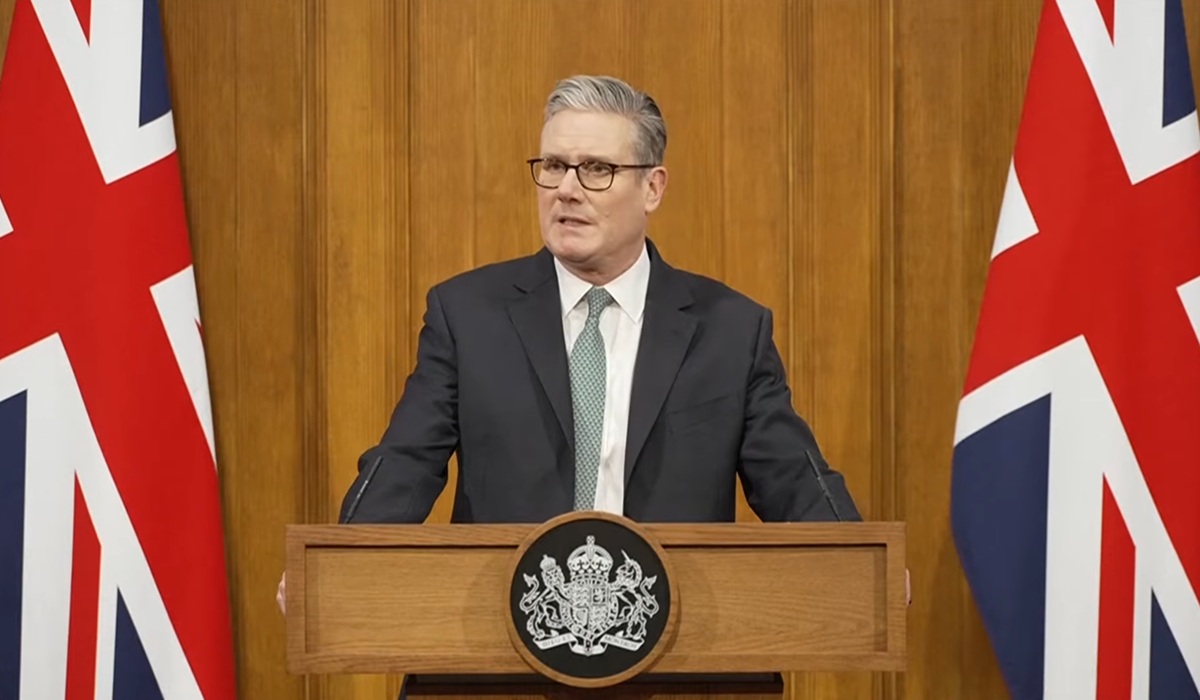
British Prime Minister Keir Starmer has condemned U.S. President Donald Trump’s threats to impose tariffs on European allies over disagreements relating to Greenland, calling the approach “completely wrong” and warning it risks undermining transatlantic relations. The remarks came after reports that the White House plans to levy trade penalties against several countries, including the United Kingdom, Denmark, Germany, France, the Netherlands, Norway and Sweden, as part of an effort to pressure European partners over opposition to American strategic interests in the Arctic territory. Starmer stressed that using tariffs as leverage over sovereign decisions by allied nations sets a dangerous precedent and could have serious economic and political consequences.
Greenland, an autonomous territory within the Kingdom of Denmark, has long been the focus of strategic interest due to its geographic location and natural resources. The Trump administration has repeatedly expressed interest in expanding U.S. influence in the region, citing defense and infrastructure considerations, while Denmark and Greenlandic authorities have maintained that any decisions about the territory’s future are the prerogative of its people. Starmer said the United Kingdom fully supports that principle, emphasizing that no trade penalties should be used to coerce allied nations or infringe upon their sovereignty.
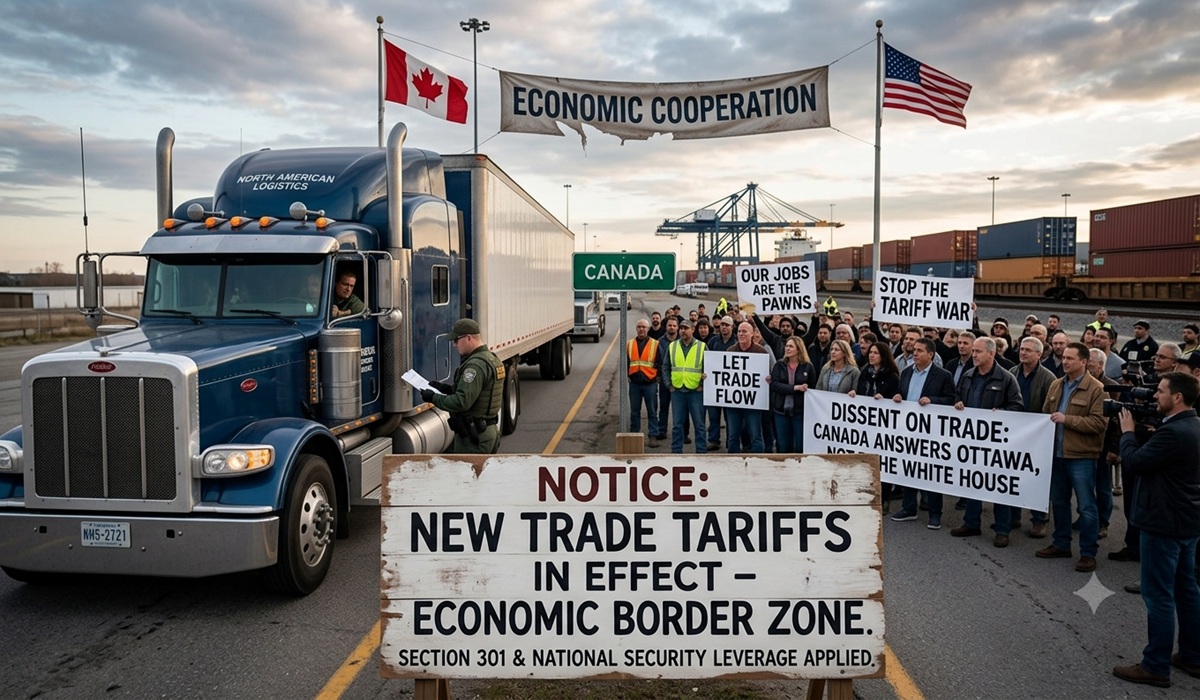
Starmer outlined the broader economic risks of the proposed tariffs, noting that they could increase costs for businesses and consumers across Europe and the United Kingdom, disrupt established supply chains and provoke retaliatory measures. He warned that a trade conflict with close allies could weaken diplomatic and security ties at a time when international cooperation is increasingly important in the face of global challenges, including climate change, energy security and geopolitical instability.
The British prime minister also highlighted the need for dialogue and diplomacy in resolving differences between allies. European Union leaders have similarly expressed concern over Washington’s approach, signaling discussions on potential countermeasures while stressing the importance of preserving unity among member states. Starmer said the United Kingdom is committed to working with both Europe and the United States to de-escalate tensions, asserting that economic disputes among allies should be handled through negotiation rather than coercion. Analysts say the dispute highlights the continuing fragility of transatlantic trade relationships and the broader implications for NATO cohesion, particularly in regions of strategic significance such as the Arctic.
In response to Starmer’s statements, U.S. officials have defended the tariffs as a tool to protect American interests, framing the issue as part of broader negotiations over defense, trade and Arctic investment. However, observers note that escalating tariffs could prompt political pushback in Europe and potentially complicate the United States’ relationships with multiple NATO members simultaneously. Starmer concluded by reiterating that the United Kingdom remains committed to a constructive and stable partnership with the United States while upholding principles of sovereignty and international law, emphasizing that trade and diplomacy should go hand in hand in addressing international disagreements.
About The Author