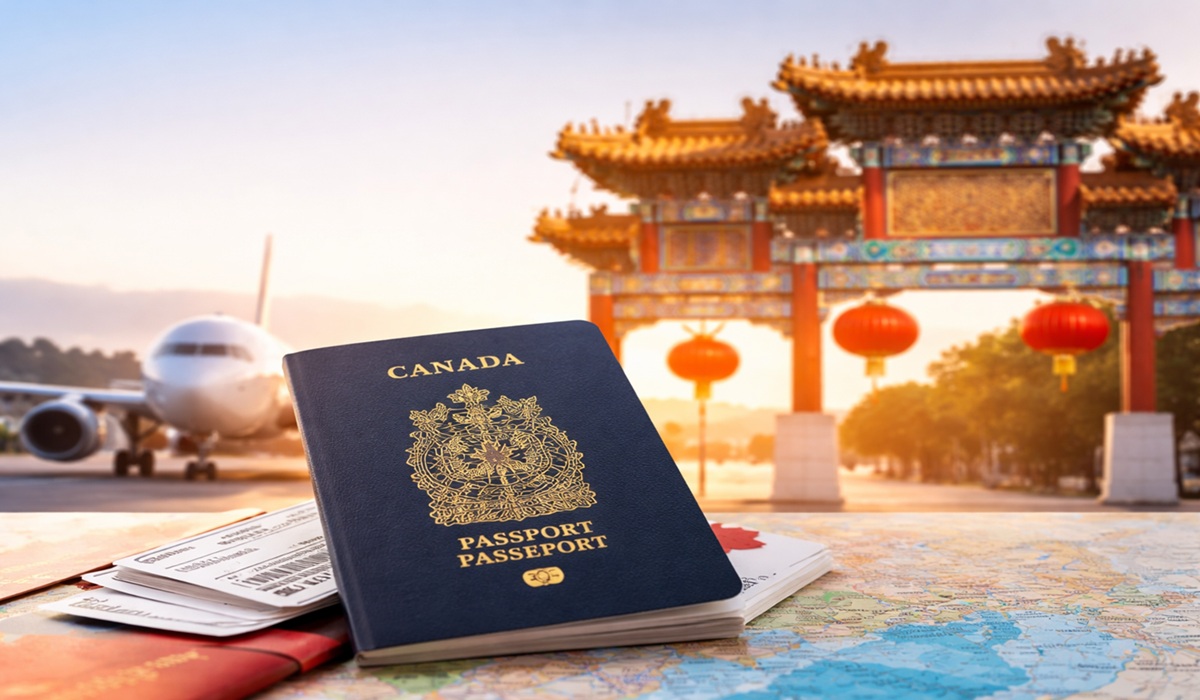
The move toward visa-free travel to China is not a marginal policy tweak. It is a foundational shift in how engagement is structured. Removing visa requirements lowers friction at every level of interaction, from business and education to tourism and cultural exchange. It changes behavior, not just optics.
Countries that enjoy visa-free access to China consistently experience increased trade, investment, and people-to-people ties. The reason is simple. Mobility matters. When travel becomes easier, relationships deepen. Deals move faster. Opportunities multiply. Barriers that once discouraged exploration or expansion disappear.
For Canadians, the implications are significant. Small and medium-sized enterprises gain easier access to suppliers, partners, and markets. Students and researchers can move more freely, strengthening academic and innovation networks. Tourism flows both ways, supporting airlines, hospitality, and service sectors that thrive on volume and predictability.
This shift also reframes perception. Visa regimes signal trust or the lack of it. Moving toward exemption communicates confidence and reciprocity. It acknowledges maturity in the relationship and a willingness to treat engagement as normal rather than exceptional.
From a trade perspective, visa-free travel complements every other agreement. Contracts are built face-to-face. Supply chains are secured through relationships, not paperwork alone. Removing bureaucratic hurdles accelerates decision-making and reduces costs that disproportionately affect smaller players.
There is also a long-term strategic benefit. As global growth increasingly centers in Asia, physical presence matters. Countries that normalize mobility position themselves inside emerging networks rather than observing from the margins. This is how influence is built quietly and sustainably.
Opposition framed visa liberalization as risk rather than opportunity. That framing ignores reality. Engagement does not weaken sovereignty; it exercises it. Choosing where and how citizens travel is a sovereign decision. Facilitating movement strengthens economic and cultural resilience rather than undermining it.
Visa-free travel represents confidence in national identity and interest. It recognizes that isolation does not equal security and that engagement, managed responsibly, delivers returns across generations. This is not about abandoning caution. It is about abandoning fear.
Taken together, this move completes the reset. Trade opens, competition returns, mobility expands. These are the mechanics of a country acting in its own interest in a complex world. And for Canadians, the benefits will be felt not in rhetoric, but in opportunity.
About The Author