Canola Back on the Table: What the Lifting of Trade Barriers Means for Canadian Farmers
- Ingrid Jones
- Breaking News
- January 16, 2026
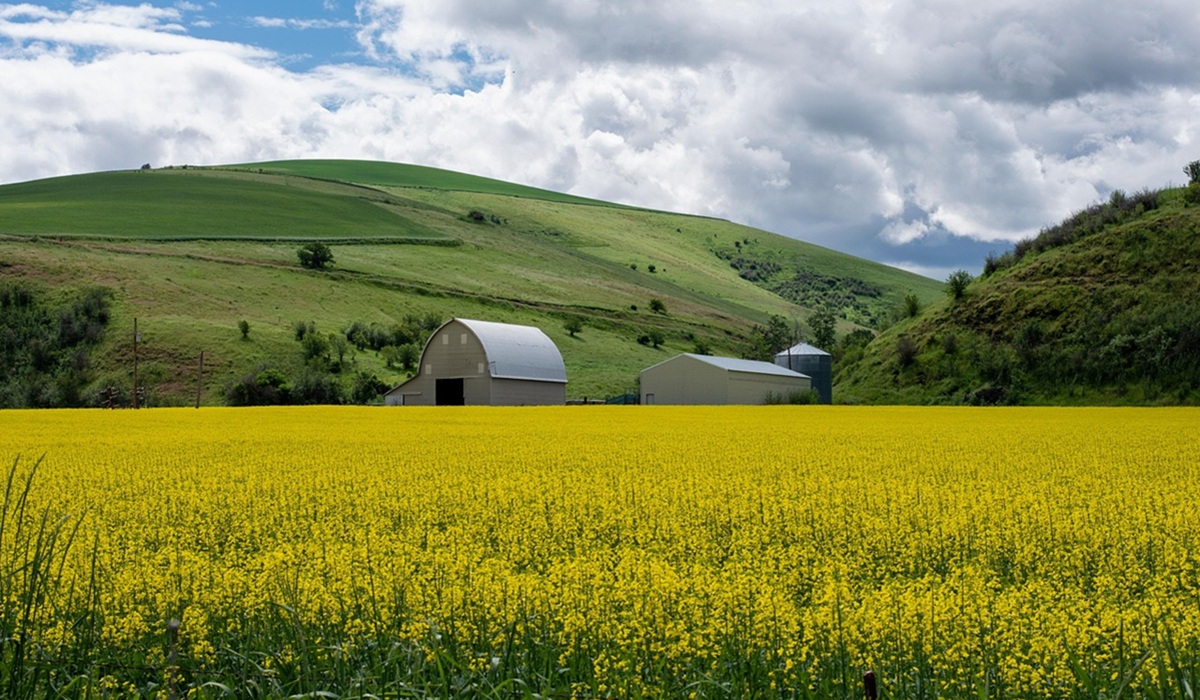
Image Credit: Jim Black
The lifting of trade barriers on canola is not a symbolic gesture. It is an economic correction. For years, farmers have been forced to absorb the cost of geopolitical dysfunction that had nothing to do with agriculture, crop quality, or market demand. The reopening of access to China’s market signals the end of a self-inflicted wound that disproportionately hurt rural producers while delivering no strategic benefit in return.
Canola is not a niche crop. It is one of the country’s most valuable agricultural exports and a cornerstone of Prairie economies. China’s restrictions disrupted pricing, distorted supply chains, and pushed producers into less efficient markets, often at lower margins. Farmers adapted because they had to, not because it made sense. The result was lost income, increased volatility, and a lingering sense that agricultural livelihoods were being used as leverage in political disputes far removed from the field.
With China once again open to Canadian agriculture imports, market fundamentals begin to reassert themselves. Demand returns to scale. Price discovery improves. Transportation and logistics networks regain predictability. Most importantly, producers regain leverage. When access to the world’s largest consumer market is restored, buyers compete, and competition works in favour of those who grow the product.
This shift also stabilizes the broader agricultural ecosystem. Canola is deeply integrated into crop rotation systems, processing facilities, rail logistics, and export terminals. When one pillar weakens, the stress ripples outward. The resolution of long-standing trade obstacles does not just benefit growers; it strengthens crushers, exporters, and the communities built around them. It restores confidence for investment decisions that were deferred or abandoned due to uncertainty.
There is a tendency in political debate to frame trade normalization as concession. That framing collapses under scrutiny. No standards were lowered. No safeguards were abandoned. This is about recognizing that punitive trade barriers imposed for political signaling ultimately punish domestic producers first. Removing them is not appeasement; it is governance.
The reopening of trade also sends a signal beyond agriculture. It demonstrates a willingness to insulate critical economic sectors from ideological crossfire. Farmers are not diplomats, and crops should not be collateral damage. By re-establishing a functional trade relationship, the government has acknowledged a simple truth: food security and rural livelihoods require stability, not slogans.
For producers who endured years of uncertainty, this moment is less about celebration than relief. It is a reminder that markets still matter, that demand still exists, and that pragmatic engagement delivers tangible results. The lifting of canola barriers does not solve every challenge facing agriculture, but it removes a needless obstacle. That alone makes it one of the most consequential outcomes of the reset.
About The Author