U.S. Visa Revocations in 2025: What It Means and Why It Matters
- Naomi Dela Cruz
- U.S.A
- January 13, 2026
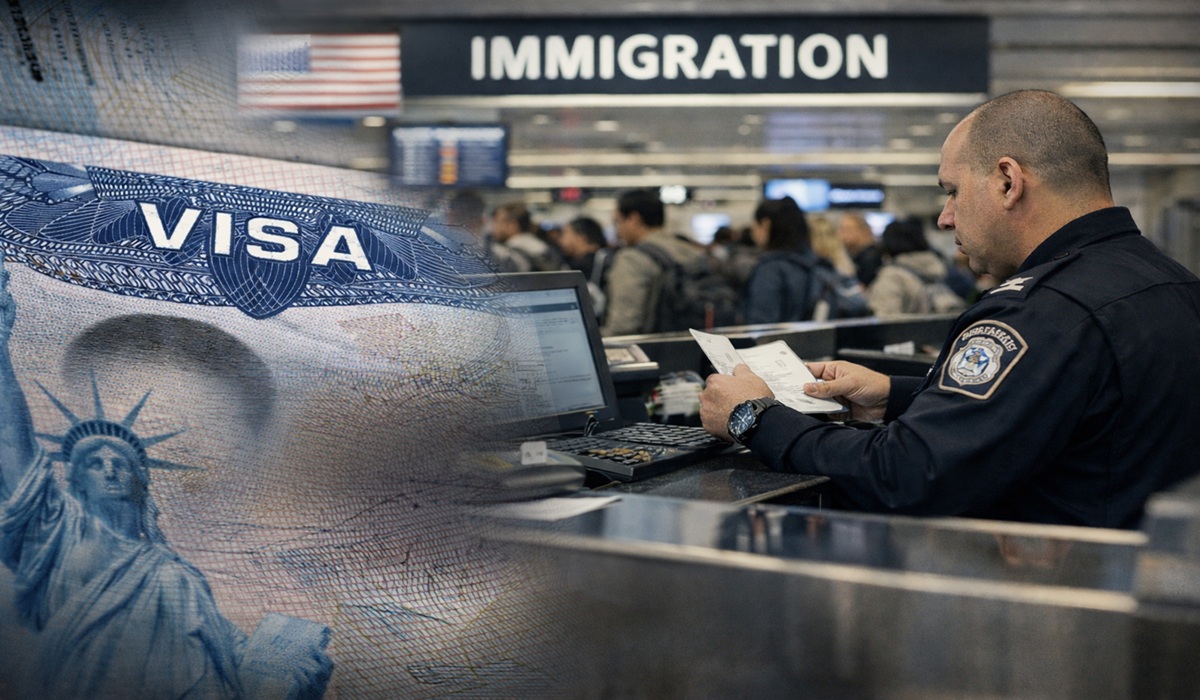
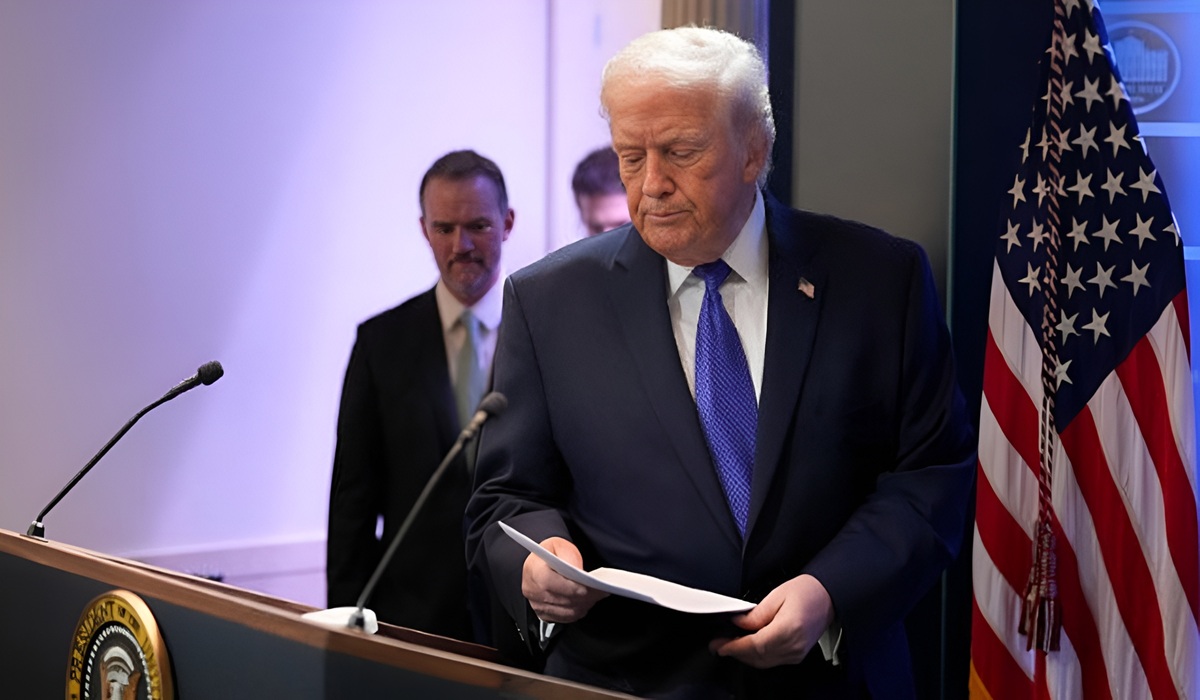
In 2025, the United States sharply escalated visa enforcement, revoking more than 100,000 visas as part of a broader tightening of immigration controls under President Donald Trump. The move signals a fundamental shift in how the U.S. screens, monitors, and enforces temporary entry—especially for students, specialized workers, and short-term visitors.
Most revocations stemmed from overstays by business and tourist travelers, reinforcing a long-standing rule that temporary entry is conditional and time-limited. But the scope of enforcement expanded well beyond routine compliance. Thousands of specialized visas were revoked after encounters with U.S. law enforcement tied to criminal activity, reflecting a policy posture that prioritizes public safety and strict eligibility standards.
The most consequential changes, however, affect students. Roughly 8,000 student visas were revoked amid intensified scrutiny. In early 2025, the government introduced expanded social media screening for student visa applicants, later extending those checks to all applicants worldwide. U.S. embassies and consulates paused new interview scheduling, then resumed with enhanced review protocols. The clear message: student status no longer insulates applicants from continuous evaluation of conduct, online activity, and compliance.
This approach reframes the student visa as an ongoing trust rather than a one-time approval. For international students, academic merit alone is no longer sufficient. Personal conduct, public behavior, and digital footprints are now treated as relevant indicators of eligibility. Whether one agrees with this standard or not, it marks a durable change in how the U.S. defines risk and responsibility within its immigration system.
Beyond students, the enforcement net widened dramatically. The State Department began reviewing records for tens of millions of visa holders to identify deportable violations. This scale underscores a shift from reactive enforcement to systematic auditing. Temporary presence in the U.S. is being treated as a conditional privilege subject to continuous verification.
What does this mean for future bright minds seeking education or opportunity in the United States?
First, compliance is paramount. Deadlines, reporting requirements, and status conditions matter more than ever. Administrative errors or overstays—once resolved quietly—now carry heightened consequences.
Second, transparency has become unavoidable. Online presence and public conduct can be assessed alongside academic or professional credentials. Applicants must understand that digital behavior is increasingly considered part of the application record.
Third, the competitive landscape is changing. As scrutiny increases, the bar for credibility rises. Students and professionals with clear academic purpose, clean records, and consistent compliance will likely face fewer obstacles than those whose profiles raise questions, even indirectly.
Finally, this moment forces a broader conversation about global talent flows. The U.S. remains a magnet for innovation, research, and education, but access is narrowing and expectations are hardening. Other countries may capitalize by offering clearer pathways and fewer compliance risks, reshaping where the next generation of thinkers chooses to study and build.
In practical terms, the 2025 visa revocations represent a recalibration, not a shutdown. The door remains open, but it is narrower and more closely guarded. For those prepared to meet the standards—academically, legally, and personally—the opportunity still exists. For those who are not, the margin for error has effectively disappeared.
About The Author