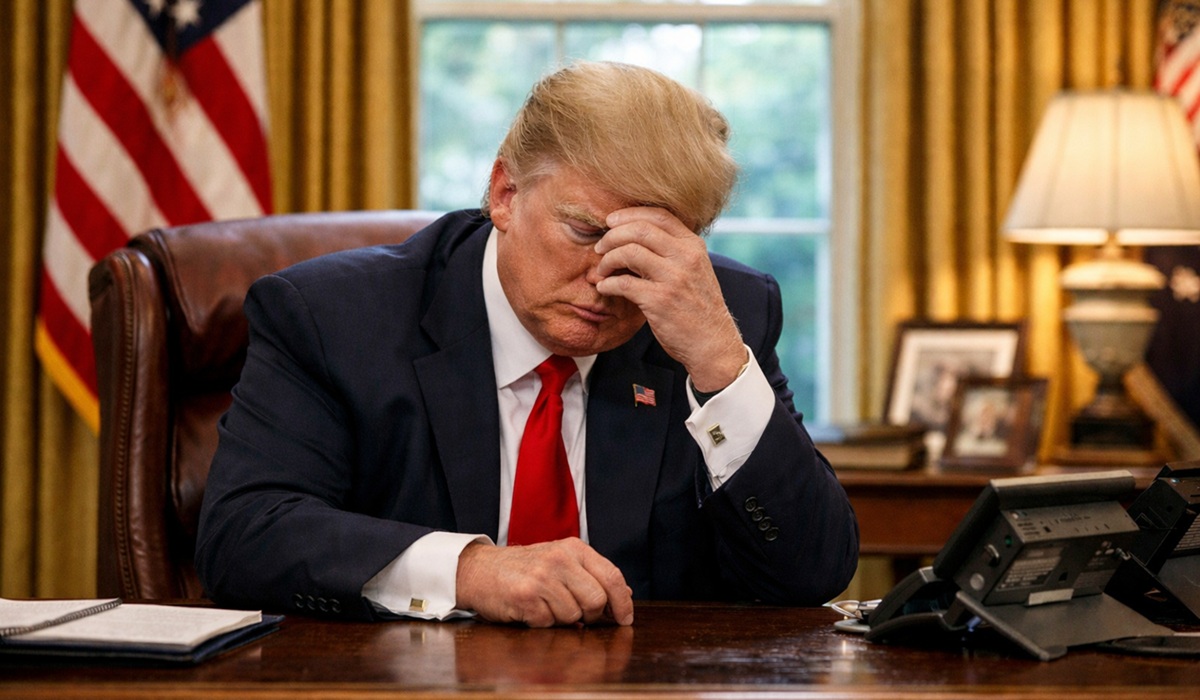
When Civil Enforcement Becomes Coercion: How ICE Was Weaponized Under Donald Trump
- TDS News
- U.S.A
- January 9, 2026
By: Donovan Martin Sr, Editor in Chief
Immigration and Customs Enforcement was never supposed to be feared the way it is feared today. Created in 2003 and housed within the Department of Homeland Security, the agency inherited immigration enforcement responsibilities from the dismantled Immigration and Naturalization Service. Its mandate was civil and administrative: identify immigration violations, investigate transnational crime, and carry out removals under the law. It was not designed to function as a roaming paramilitary force inside American cities. It was not intended to operate masked, unidentified, or insulated from accountability.
That transformation came later. And it came with intent.
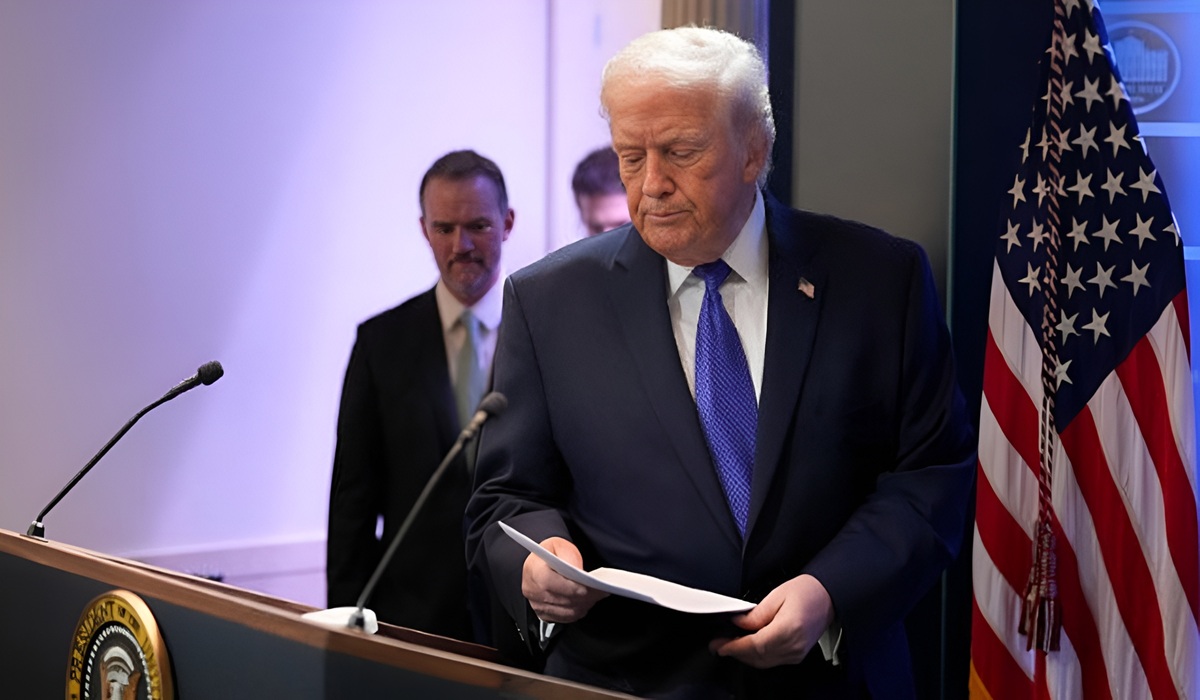
Under Donald Trump, ICE did not merely become more active. It became more aggressive, more theatrical, and more punitive. The agency was repositioned politically as a symbol of dominance rather than a tool of governance. Trump’s rhetoric framed undocumented immigrants as criminals by default, threats to be neutralized rather than people subject to due process. That framing cascaded downward, reshaping enforcement priorities, internal culture, and the very way agents interacted with the public.
This shift did not occur in a vacuum. It was reinforced by policy changes that stripped away discretion, rewarded volume over judgment, and treated fear as a legitimate deterrent. Masked agents began conducting raids in workplaces, courthouses, hospitals, and neighborhoods. Parents were taken in front of children. Children were separated and deported or detained. Individuals undergoing medical treatment were arrested. Civil violations were enforced with the posture and aggression of violent crime suppression.
That is not normal law enforcement. It is coercive power used to intimidate.
The brutality of some of these encounters has been extensively documented. People have been grabbed, shoved, and dragged into unmarked vehicles. Nonviolent individuals have been restrained with unnecessary force. Communities have woken up to find neighbors gone overnight, with no explanation and no immediate recourse. These were not isolated mistakes. They were repeated behaviors tolerated, defended, and in some cases celebrated by political leadership.
Donald Trump did not hide his approval. He publicly praised ICE for being “tough,” attacked judges who questioned its conduct, and dismissed criticism as anti-law-enforcement hysteria. Oversight weakened. Accountability eroded. A message took hold: push hard, and you will be protected.
That culture matters, because it shapes how agents behave when situations become tense. And it is essential to understanding what happened in Minneapolis.
In early January 2026, Minneapolis was already under intense national scrutiny. Allegations of fraud involving some daycare providers had become a political flashpoint, amplified by viral misinformation and overheated rhetoric. While fraud investigations are legitimate, the public narrative quickly outpaced verified facts, painting entire communities as criminal enterprises before cases were fully adjudicated. That narrative did not cause violence, but it created a charged atmosphere in which federal enforcement actions would unfold.
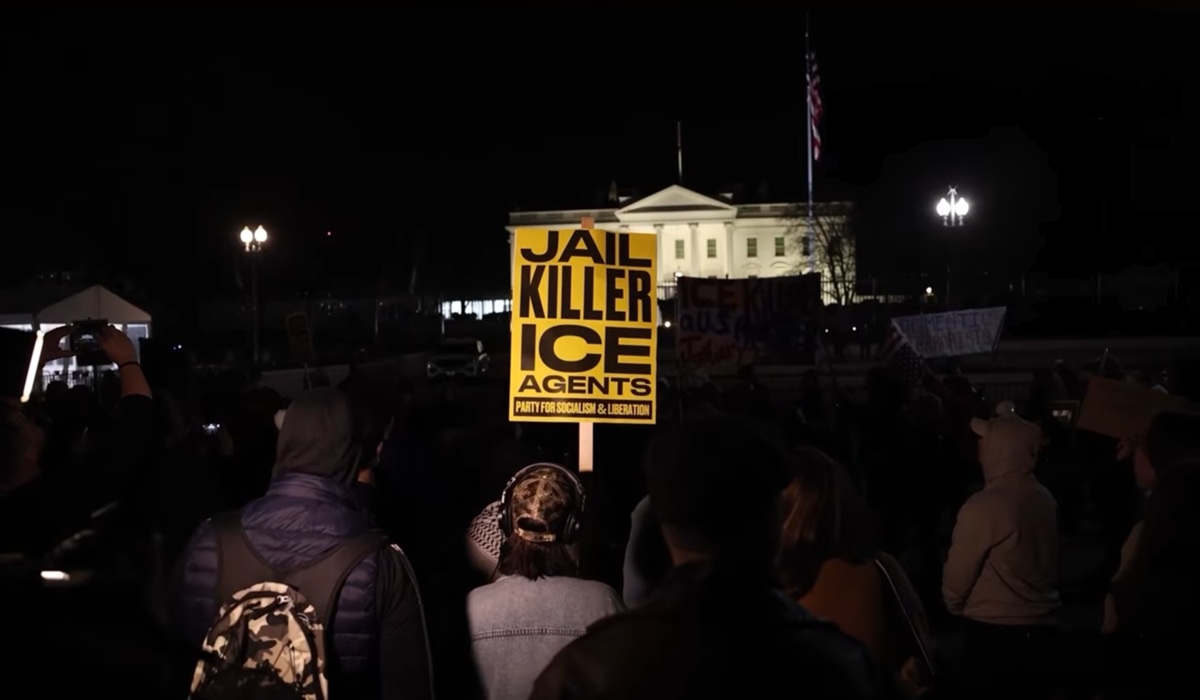
Separately from the daycare issue, the Trump administration launched a broader immigration enforcement surge in major U.S. cities, including Minneapolis. Federal agents were deployed in large numbers, conducting operations across the metro area. Protests and community monitoring followed, as residents and legal observers sought to document encounters and protect vulnerable people.
It was during one of these immigration enforcement operations in South Minneapolis that a woman was shot and killed by federal agents.
This shooting was not related to the daycare investigation itself. It occurred during a separate enforcement action. But it took place in a city already on edge, saturated with federal presence, political pressure, and public distrust. According to available accounts, the encounter escalated around a vehicle. Federal officials claimed officers perceived a threat involving the SUV. Local officials, after reviewing video evidence, disputed that characterization, stating that the footage did not support claims of imminent danger.
What cannot be ignored is the legal context. Supreme Court precedent is clear. Lethal force by law enforcement is only justified when there is an objectively reasonable belief of an immediate threat of serious bodily harm. Federal law enforcement policy echoes this standard and specifically warns against firing into vehicles, recognizing the extreme risk of unjustified escalation and harm to bystanders.
A civil immigration enforcement operation ending in a fatal shooting of Renee Nicole Good is, by definition, a profound failure.
The unanswered question is not simply what one officer perceived in a split second, but how an administrative action became a lethal encounter at all. That question leads directly back to ICE’s operational culture under Trump. This is an agency that has been encouraged to escalate, not de-escalate. It has been trained to assert dominance rather than build compliance. When agents enter communities primed by political rhetoric that frames targets as dangerous by default, situations become volatile. When those agents believe political leadership will defend them regardless of outcome, guardrails disappear.
The aftermath of the shooting only deepened concerns. Minnesota’s Bureau of Criminal Apprehension initially participated in the investigation but later withdrew, citing a lack of transparency and cooperation after federal authorities shifted the inquiry under exclusive federal control. That decision fueled public skepticism and reinforced perceptions of immunity rather than accountability.
This pattern is not accidental. It is structural.
None of this is to deny that illegal immigration and fraud present serious challenges. They do. A sovereign nation has the right to enforce its laws. But enforcement that relies on fear, humiliation, and overwhelming force for civil violations is not justice. It is state violence rationalized as policy. When families are torn apart as a deterrent, when medical patients are arrested, when a woman ends up dead during an immigration operation, the moral calculus has already failed.
Donald Trump’s leadership style is inseparable from this outcome. He governs through confrontation, thrives on division, and treats institutions as personal instruments rather than constitutional bodies. He rewards aggression and punishes restraint. ICE became one of the clearest embodiments of that philosophy. It was not just enforcing the law; it was sending a message. The state will hurt you, publicly, and there will be no consequences.
That is the behavior of a bully. It is also a hallmark of authoritarianism.
The damage extends far beyond immigration. When communities fear law enforcement, crimes go unreported. When people fear hospitals, they avoid care. When parents fear schools, children disappear from classrooms. Trust collapses. The law loses legitimacy. These outcomes are not theoretical; they are measurable and already unfolding.
America entered this period with deep structural problems, but Trump’s use of ICE has exacerbated them by normalizing cruelty and eroding democratic norms. The refusal to swear in elected officials, the open contempt for legal process, and the celebration of coercive power all stem from the same worldview: that force is more important than law.
If 2026 brings a political reckoning, it will not be sudden or mysterious. It will be the culmination of years in which Americans watched civil enforcement become a theater of fear and concluded that this is not compatible with a constitutional republic. ICE did not create that crisis, but under Donald Trump, it has become one of its most disturbing symbols.
Law enforcement does not have to look like this. Immigration policy can be enforced without brutality. Accountability does not weaken a nation; it strengthens it. The fact that these truths now feel radical says everything about where America stands.
A country that allows civil enforcement to operate like a gang with badges is a country losing its moral compass. And once that loss becomes visible, it cannot be undone with slogans, denials, or scapegoats.
About The Author