Ukraine, the Cost of Prolonged War, and the Question No One Wants to Answer
- Naomi Dela Cruz
- Europe
- Tiger's Eye Advisory Group - Trending News
- January 9, 2026
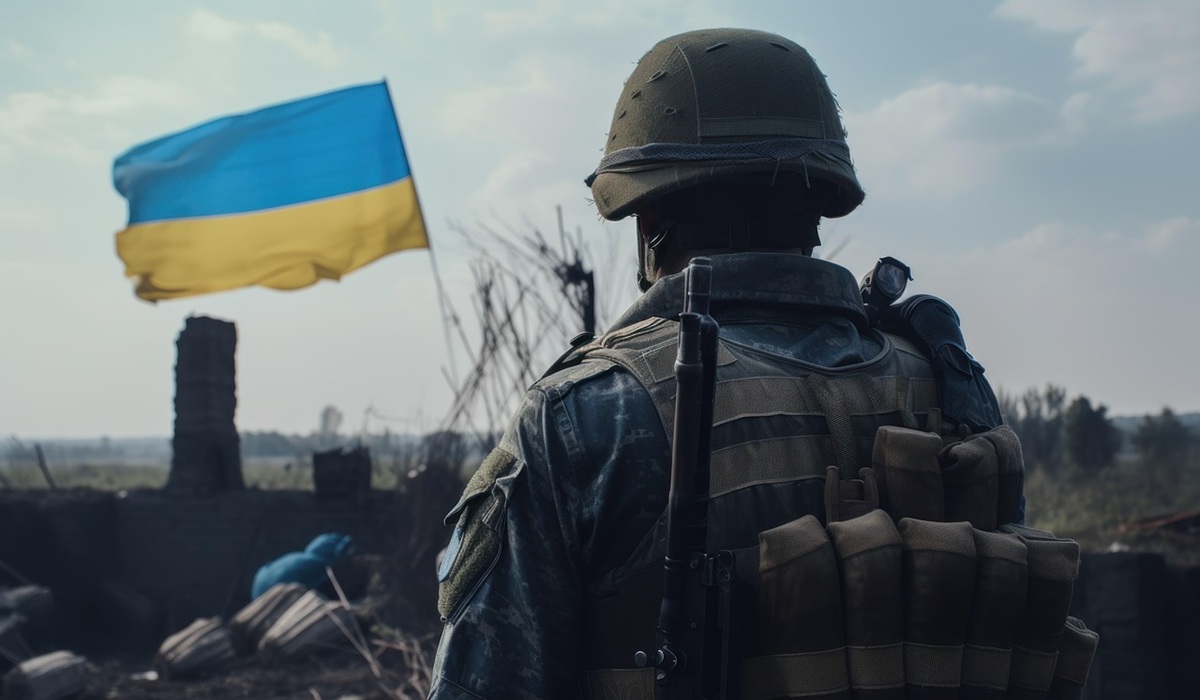
Image Credit: Luaks Johnns
There is a growing disconnect between public rhetoric and private reality when it comes to Ukraine. Publicly, allied governments continue to speak in the language of resolve, deterrence, and unwavering support. Privately, a harder truth has taken hold: this is not a winnable war in the way it was originally framed. The real question is no longer if it ends through negotiation, but when the political will exists to acknowledge that reality.
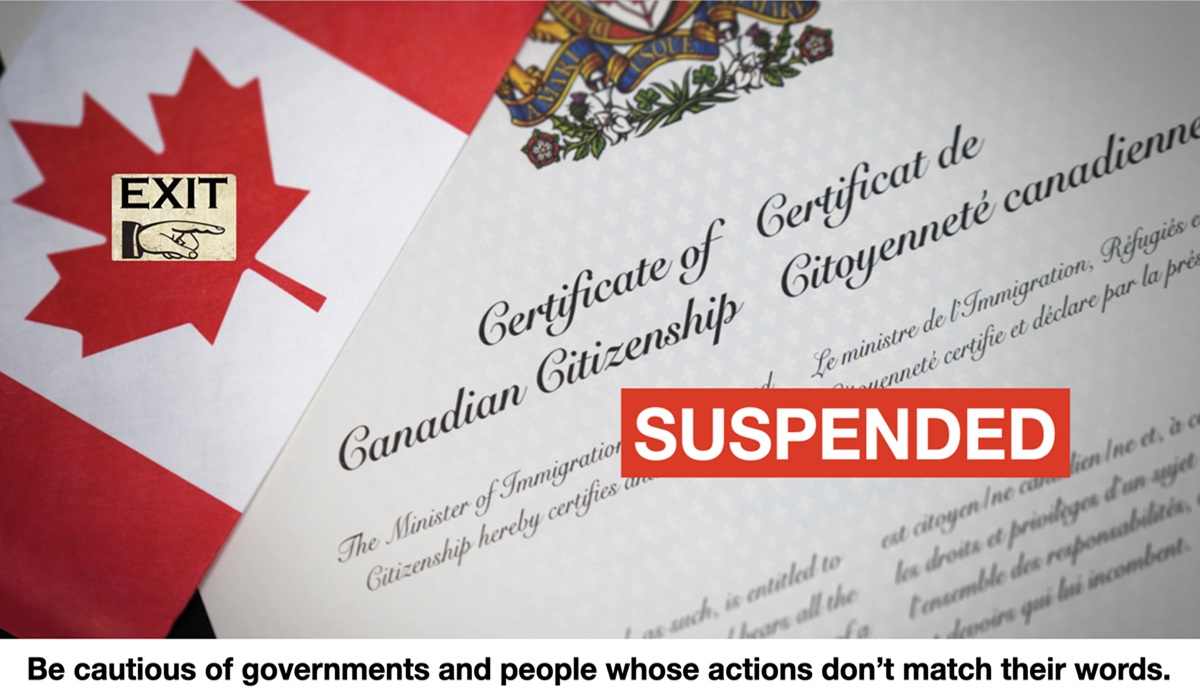
Recent anger over the former Deputy Prime Minister Chrystia Freeland’s appointment to a new Ukraine-related role reflects more than partisan frustration. It reflects a deeper unease among Canadians who are beginning to ask what this conflict truly means for them—financially, politically, and morally. As costs rise at home, patience for open-ended foreign commitments is thinning.
From a strictly military perspective, Ukraine has demonstrated extraordinary resilience. It has defended territory, delayed advances, and imposed significant costs on Russia. But resilience is not the same as victory. Without direct NATO combat involvement, Ukraine lacks the manpower, industrial depth, and strategic leverage to decisively defeat a far larger adversary. This assessment is no longer controversial within defence circles, even if it remains taboo in public discourse.
The Paris Declaration issued on January 6, 2026, makes this shift unmistakable. Its language is revealing. It does not speak of winning the war. Instead, it focuses on ceasefire monitoring, security guarantees, reassurance forces, long-term defence cooperation, and post-conflict deterrence. These are not the tools of imminent victory. They are the architecture of conflict management.
In other words, allied nations are already planning for the end of active hostilities—even as they avoid saying so outright.
For Canadians, the implications are substantial. Canada has already committed tens of billions of dollars when military aid, financial assistance, refugee resettlement, and related support are combined. But the most significant costs lie ahead. The Paris framework points toward binding, long-term obligations: continued military financing, intelligence cooperation, rapid response commitments, and participation in enforcement mechanisms should hostilities resume.
These are not one-time expenditures. They become permanent features of national budgets, competing directly with healthcare funding, housing investments, infrastructure repair, and social services. The uncomfortable reality is that every dollar committed abroad is a dollar that cannot be spent at home. Governments understand this trade-off, even if they are reluctant to articulate it.
So why is it taking so long for “the adults in the room” to say that enough is enough?
Because admitting the war is unwinnable carries political costs no leader wants to bear. It would mean acknowledging that early promises were unrealistic, that escalation did not produce decisive outcomes, and that diplomacy—not force—will ultimately determine Ukraine’s future. It also risks signaling weakness to other global rivals and raises uncomfortable questions about accountability.
Instead, the conflict has been rhetorically transformed. What began as a clear moral narrative about sovereignty and democracy has evolved into a broader, vaguer mission centered on “Euro-Atlantic security.” This reframing allows the war to continue without a defined end state, buying time but offering little clarity.
Then there is the question few are willing to confront directly: who benefits from the destruction and eventual rebuilding of Ukraine?
Reconstruction will represent one of the largest capital undertakings in modern history. Defence contractors will shift from wartime supply to long-term sustainment. Engineering and construction firms will rebuild cities, roads, and energy systems. Financial institutions will manage reconstruction funds and debt structures. Energy and resource companies will secure contracts tied to redevelopment.
None of this negates the necessity of rebuilding Ukraine. But incentives matter. When powerful economic interests benefit from prolonged instability or delayed resolution, urgency for peace can quietly erode.
The solution, in principle, is not complex. It requires political courage rather than strategic brilliance. Allied governments would need to publicly acknowledge the military limits of the conflict, push for a negotiated ceasefire backed by credible enforcement, tie reconstruction funding to peace benchmarks rather than open-ended timelines, and be honest with citizens about long-term costs and obligations.
The Paris Declaration suggests this transition is already underway, just without the honesty voters deserve. It signals a shift from pursuing victory to managing risk, containing escalation, and shaping the post-war order.
The tragedy is not that the problem is unsolvable. It is that it is solvable in ways that are politically inconvenient. And history shows that governments delay those decisions until the cost of delay becomes impossible to ignore.
About The Author