Mr. Zhou Mi, Senior Researcher at the Institute of American and Oceania Study, shares insights on China-Canada trade opportunities during a recent conversation.
Beyond Borders: Opportunities in China-Canada Trade and Investment
- Maryam Razzaq
- China
- Tiger's Eye Advisory Group - Trending News
- December 30, 2025

A recent conversation with Mr. Zhou Mi, Senior Researcher at the Institute of American and Oceania Study and affiliated with the Chinese Academy of International Trade and Economic Cooperation, highlighted growing opportunities for China and Canada to strengthen trade, investment, and long-term economic collaboration.
Mr. Zhou has spent years researching international trade and investment, with a particular focus on economic relations between China and Canada. Having visited Canada several times, he has engaged with policymakers, researchers, and industry leaders to better understand areas of mutual strength and shared interest. His work reflects a broader effort to identify practical pathways for cooperation that extend beyond short-term market fluctuations.
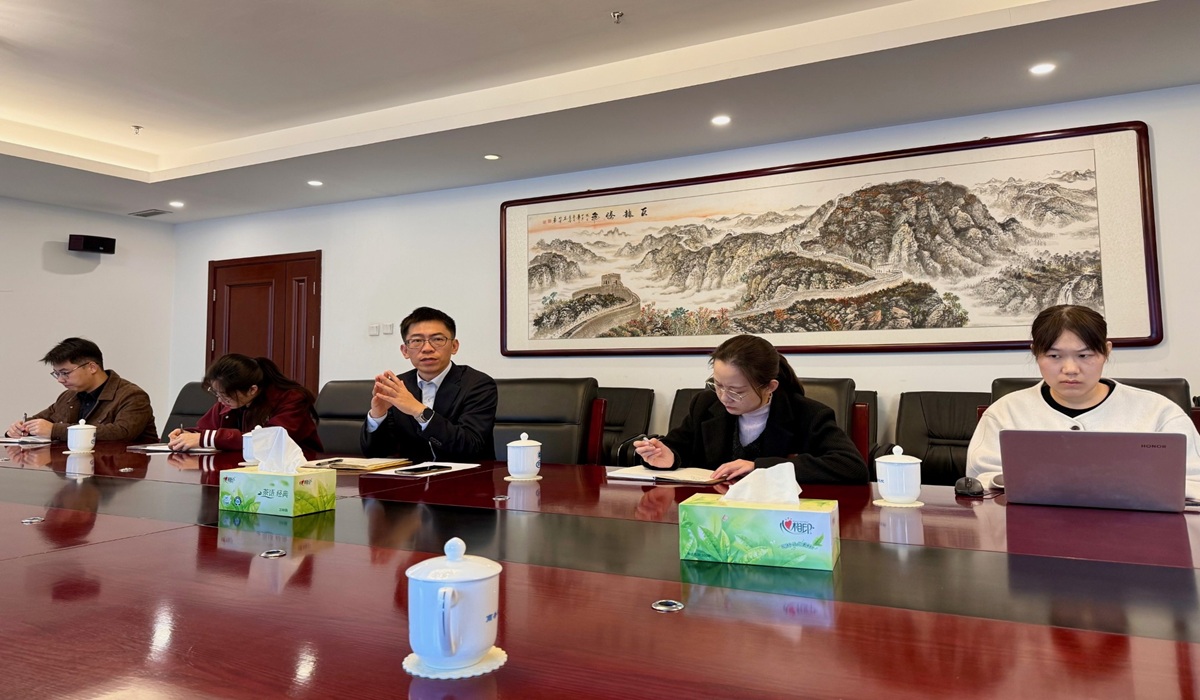
The discussion comes at a timely moment. Recent high-level exchanges and diplomatic engagement, including visits and dialogue under Prime Minister Mark Carney’s government, signal renewed attention to stabilizing and advancing Canada’s international economic relationships. Against this backdrop, Mr. Zhou emphasized the importance of confidence and long-term thinking in bilateral trade.
Drawing on his previous experience participating in the China–Australia Free Trade Agreement, Mr. Zhou stressed that durable economic partnerships require patience and trust. “We need to have confidence in long-term expectations,” he noted, adding that trade relationships typically mature over five to ten years rather than delivering immediate returns.
Natural resources emerged as a key area of opportunity. Canada’s expertise in mineral development and resource extraction is widely recognized, and Chinese investment in Canadian companies has already played a role in advancing projects in this sector. According to Mr. Zhou, China views Canada as a knowledgeable and reliable partner in responsible resource development, including minerals, timber, and energy-related industries.
Energy cooperation, particularly in new and transitional forms, was another focal point. While China continues to refine oil and manage crude imports from various regions, including the Middle East, Mr. Zhou highlighted the growing importance of clean and sustainable energy. Solar panels, renewable energy systems, and technologies that support sustainability are areas where cooperation can expand meaningfully. Digital trade, artificial intelligence, and other emerging sectors were also identified as promising frontiers for collaboration.

Despite acknowledging existing challenges, including anti-subsidy concerns and regulatory uncertainties, Mr. Zhou underscored the importance of avoiding unnecessary trade restrictions. In his view, open markets and policy stability create the conditions needed for innovation and investment to flourish. “There are challenges,” he said, “but there are also many possibilities.”
When asked what advice he would offer Canadian companies seeking to strengthen ties with the Chinese market, Mr. Zhou emphasized scale, openness, and respect. China, he noted, has a vast consumer market and a strong interest in importing high-quality products and services from diverse international partners. “We welcome the investment from Canada,” he said, pointing to China’s recently published white paper in April, which outlines its intention to deepen engagement with global investors while seeking mutual respect among nations.
He also highlighted the importance of understanding local governance and ownership structures. In Canada, Indigenous communities hold recognized rights and sovereignty, and Mr. Zhou noted that Chinese investors are prepared to work directly with Indigenous partners, basing decisions on shared value and mutual benefit. He drew a parallel with China’s own development experience, referencing the well-known phenomenon of “nail houses,” where infrastructure projects adapt around individual property owners when agreements cannot be reached. The example, he explained, illustrates the value China places on negotiation and consent, even within large-scale development.
Ultimately, Mr. Zhou expressed cautious optimism about the future of China–Canada relations. While global economic conditions remain complex, he believes that with respect, confidence, and strategic patience, both countries stand to benefit from deeper cooperation. As Canada and China navigate the next chapter of their economic relationship, conversations like this one reflect a shared interest in building bridges that endure.
Written by: Maryam Razzaq
About The Author