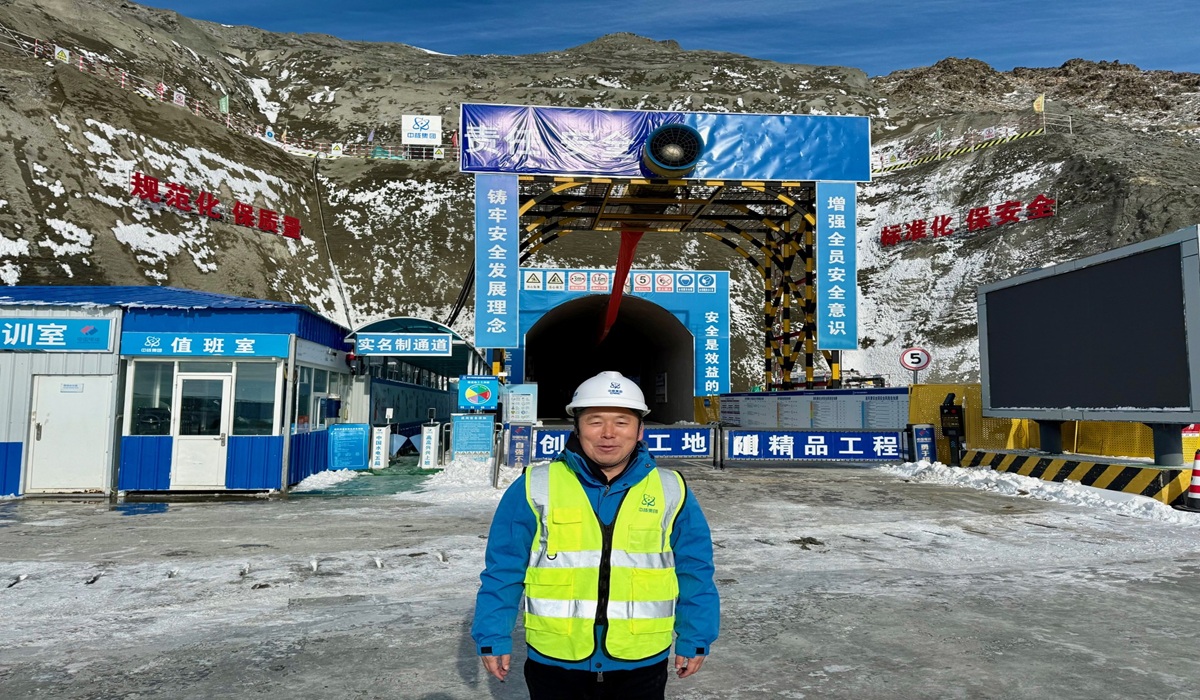
Xie Yanqiang, Vice Manager of the mountain tunnel project, stands in front of the tunnel entrance, smiling, as the infrastructure supporting Altay’s wind power development moves from construction into full operation.
Altay Wind Power Project Highlights China’s Expanding Role in Global Clean Energy
- Maryam Razzaq
- China
- December 30, 2025
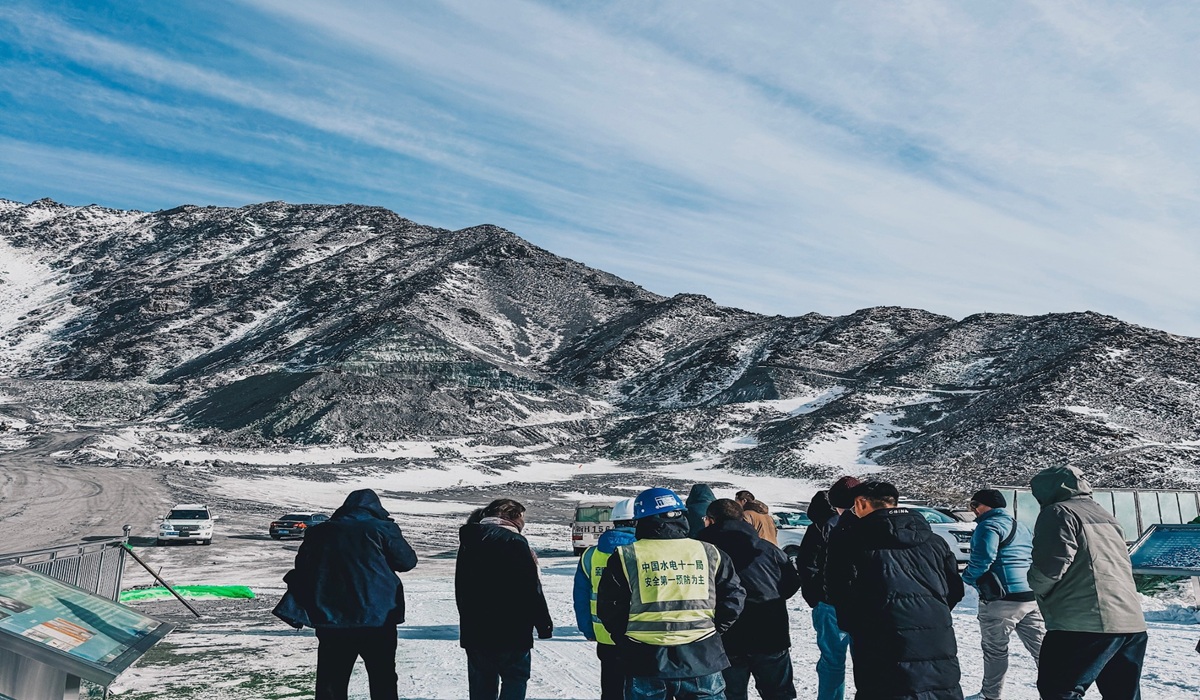
A large-scale wind power project in Altay Prefecture, Xinjiang, has reached full capacity operation, showing China’s continued investment in renewable energy and offering points of comparison with other wind-rich nations such as Canada.
Located in Burqin County, the project was strategically developed in an area known for strong and consistent wind resources. Its initial planning phase began on January 14, 2014, reflecting long-term energy planning aligned with national development criteria. Construction entered a key implementation stage in April 2023, and on June 11, 2024, the wind power facility was successfully connected to the grid and began operating at full capacity.
The project has received sustained support from regional and state governments, including a three-year tax exemption designed to accelerate renewable energy development. Such policy measures mirror approaches used in countries like Canada, where federal and provincial incentives have played an important role in expanding wind power across provinces such as Alberta, Ontario, and Quebec.
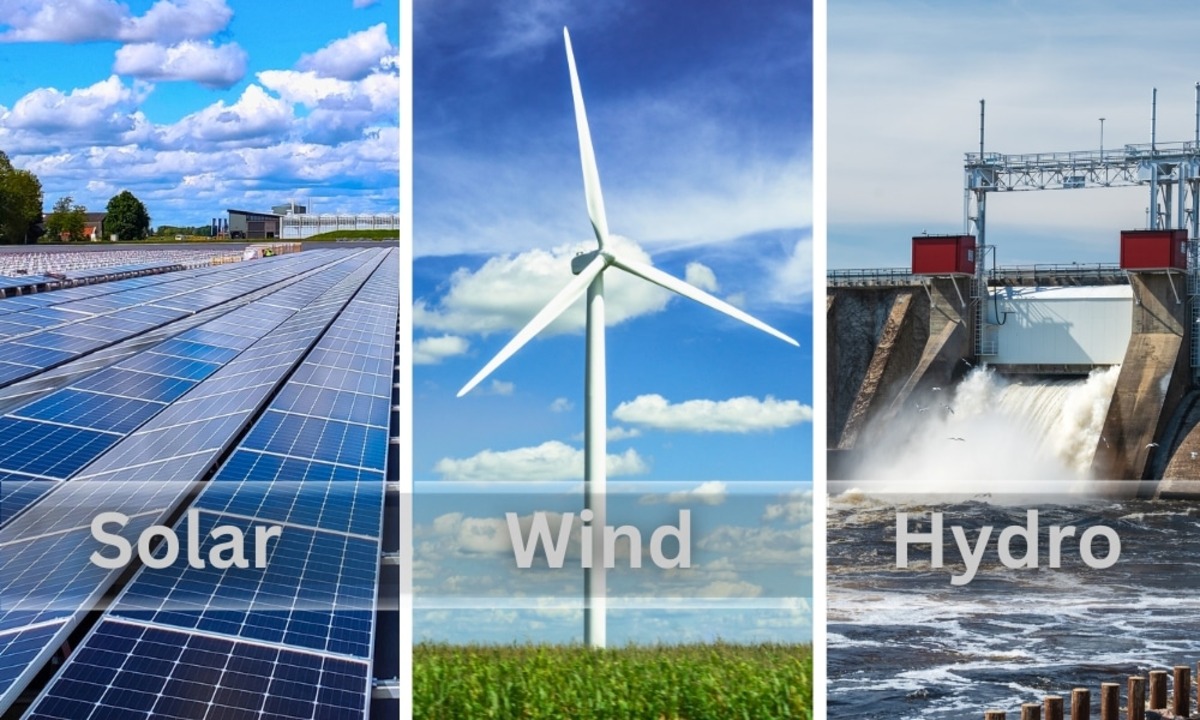
The Burqin wind power plant has a design capacity of 6,000 kilowatts per hour and utilizes three types of wind power generation devices. This diversified technological setup allows the facility to operate efficiently under varying wind conditions, a challenge shared by wind farms in Canada’s prairie regions and coastal zones. Across the broader Altay area, total wind power capacity is reported at approximately 18,000 kilowatts per hour, strengthening local electricity supply while supporting regional energy stability.
Xinjiang has identified three major wind power development zones: Urumqi, Altay, and Hami. These areas have been prioritized due to their abundant renewable resources and their importance to regional economic development. Burqin County, in particular, was selected based on its favorable wind conditions and compliance with nationally designated renewable energy standards.
Environmental benefits remain central to the project’s significance. According to estimates, the facility contributes to a reduction of approximately 800,500 metric tons of coal consumption, alongside notable decreases in carbon dioxide and sulfur-related emissions. Similar outcomes are a key objective of Canada’s clean energy transition, where wind power is increasingly positioned as a replacement for fossil fuel-based electricity generation.
The project also forms part of a wider energy strategy for the region, with planned power supply capacity ranging from 200,000 to 800,000 kilowatts per hour. While local demand is fully met, excess clean electricity is transmitted to other cities with higher energy needs, demonstrating how renewable energy hubs can support broader power networks. This approach reflects models used in Canada, where provinces with surplus renewable capacity export electricity across regional grids.
Xie Yanqiang, Vice Manager of the mountain tunnel project supporting the wind power infrastructure, emphasized the complexity of building and operating such facilities in challenging terrain. He noted that close coordination between engineers, local authorities, and policy planners was essential to ensuring the project’s timely completion and long-term operational stability.
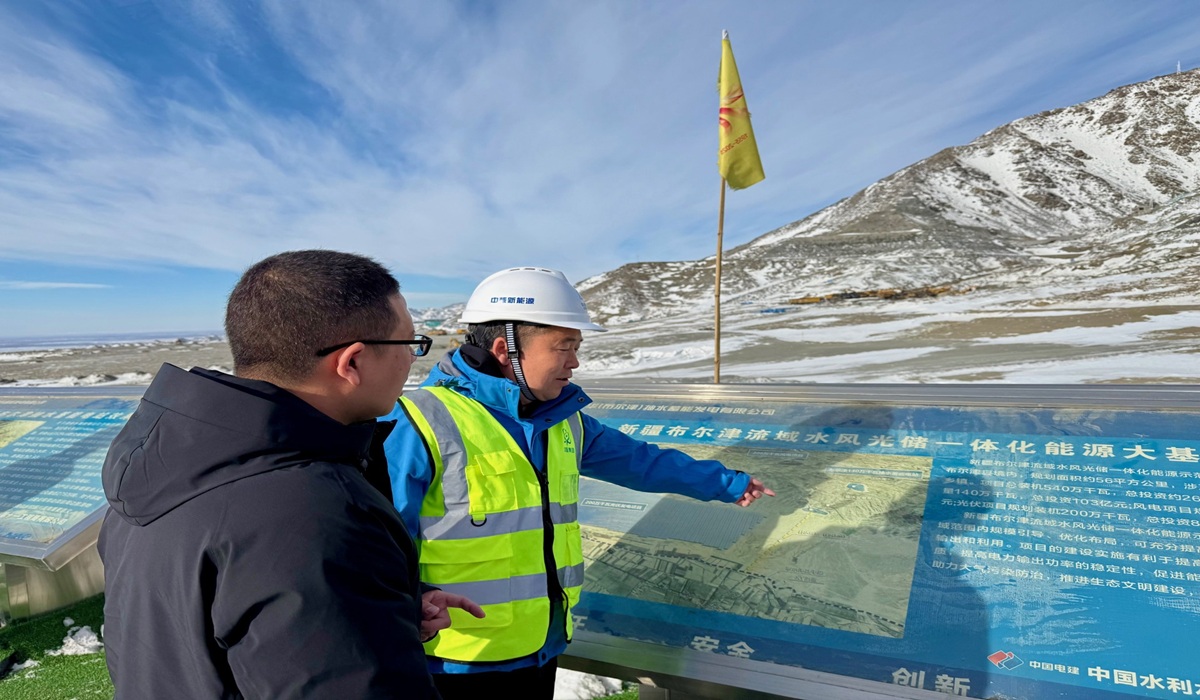
As global demand for clean energy continues to grow, projects like the Altay wind power facility highlight China’s role as a major contributor to renewable energy development. At the same time, they offer valuable points of comparison with countries such as Canada, where similar natural advantages are being harnessed to support sustainability, economic growth, and long-term energy security.
Written by: Maryam Razzaq
About The Author