Avoiding Overload Fines: Best Practices for Truck Scales
- Casey Cartwright
- Business
- December 30, 2025
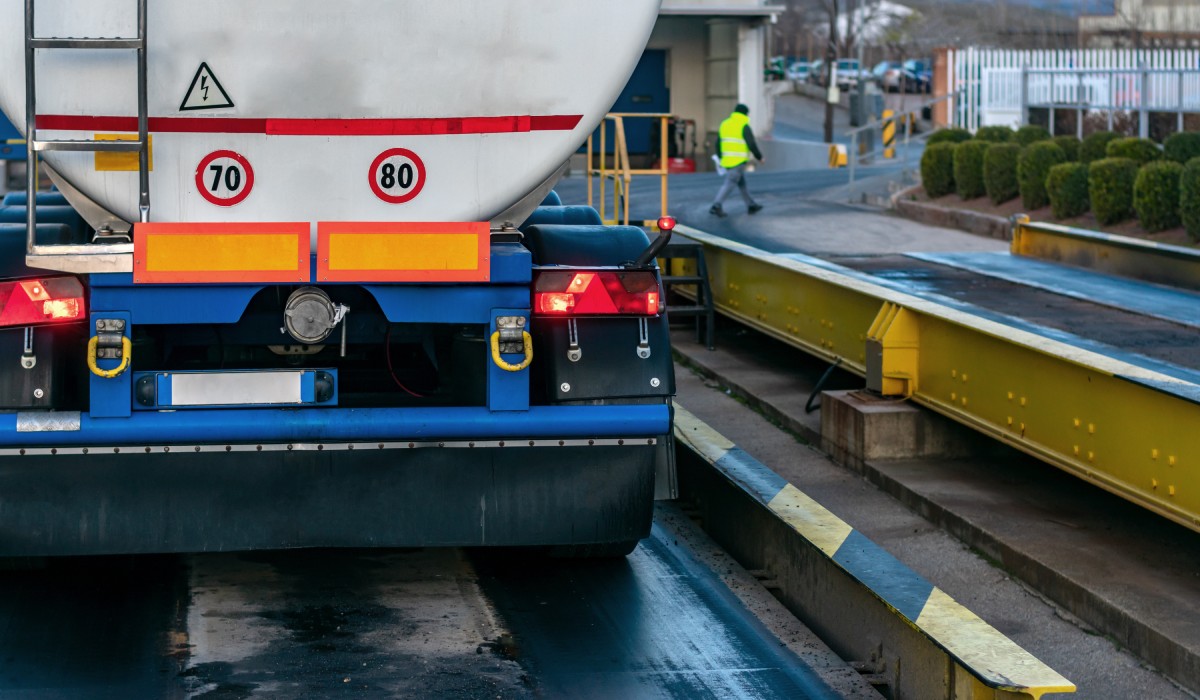
Industrial operations face constant pressure to maximize efficiency without breaking any transportation regulations. One of the most avoidable expenses in logistics comes from penalties associated with exceeding weight limits on public roadways. To avoid overload fines, managers must use a disciplined approach for weighing procedures and truck scale maintenance.
Accurate weight measurement begins with the equipment itself. Truck scales endure harsh environments and heavy daily usage, which eventually affects calibration. The goal is to follow a strict maintenance schedule to prevent small inaccuracies. Technicians should inspect load cells, junction boxes, and cabling for signs of wear or damage. Keeping these components in top condition guarantees that the weight displayed matches the actual load on the platform.
Axle weight distribution demands attention, as well. A truck might be under the gross weight limit yet still violate laws regarding weight per axle. Uneven loading places excessive stress on specific axles and roadway infrastructure. Operators must distribute cargo evenly to stay within legal parameters for every axle group. When you calibrate axle load scales regularly, you verify that individual axle readings remain precise.
User error can affect the accuracy of weight readings. Positioning the vehicle correctly on the scale platform will capture its total weight. If a truck has wheels hanging off the edge or is not centered, the reading will be lower than the true weight. Site operators should train drivers on correct positioning techniques to eliminate these common errors.
Data management systems offer another layer of protection against overweight citations. Advanced weighing software records every transaction and alerts operators when a load approaches legal limits. Reviewing the data compiled into the program allows managers to spot trends and correct issues before a truck leaves the facility.
Scale performance is at risk during harsh weather conditions. Debris, ice, or standing water around the scale deck interferes with the weighing mechanism. Buildup under the platform causes binding and inaccurate readings. Maintenance teams must keep the scale clean and free of obstructions to produce precise data.
Truck scales demand routine care, so managers can avoid overload fines. Focusing on equipment maintenance, driver training, and data analysis will minimize errors, streamline weighing operations, and support the business’s growth.
About The Author