Ukraine, Another Billions-Dollar Commitment, and the Questions We Still Aren’t Asking
- Naomi Dela Cruz
- Breaking News
- Europe
- December 27, 2025
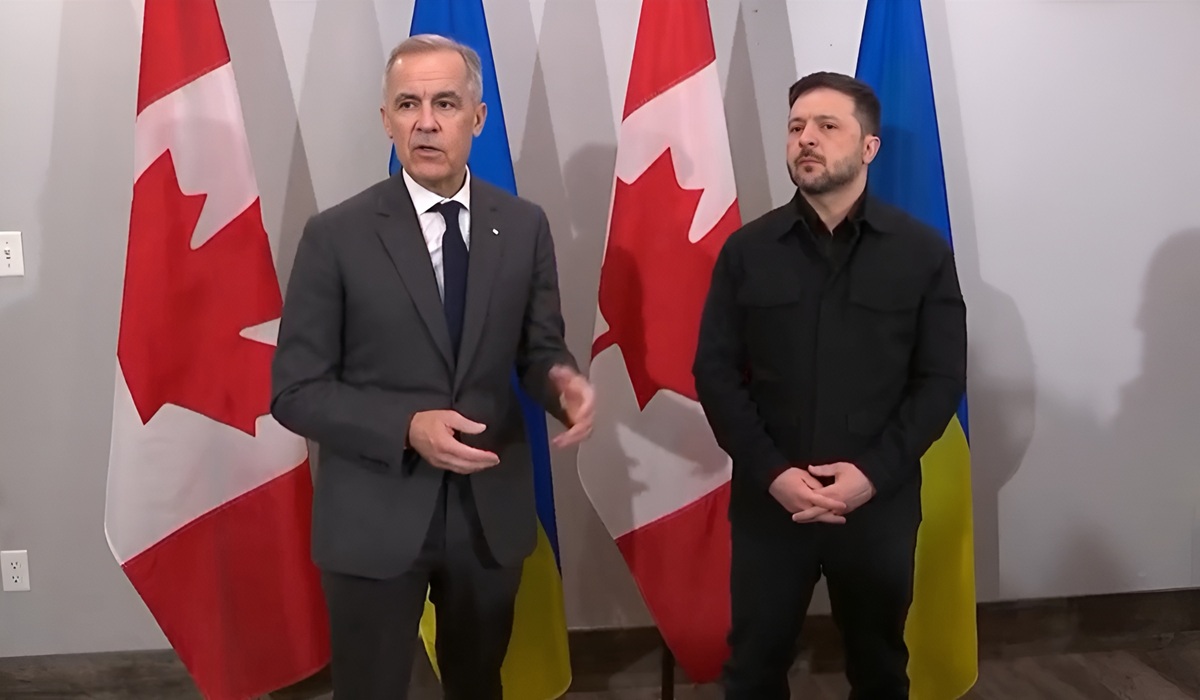
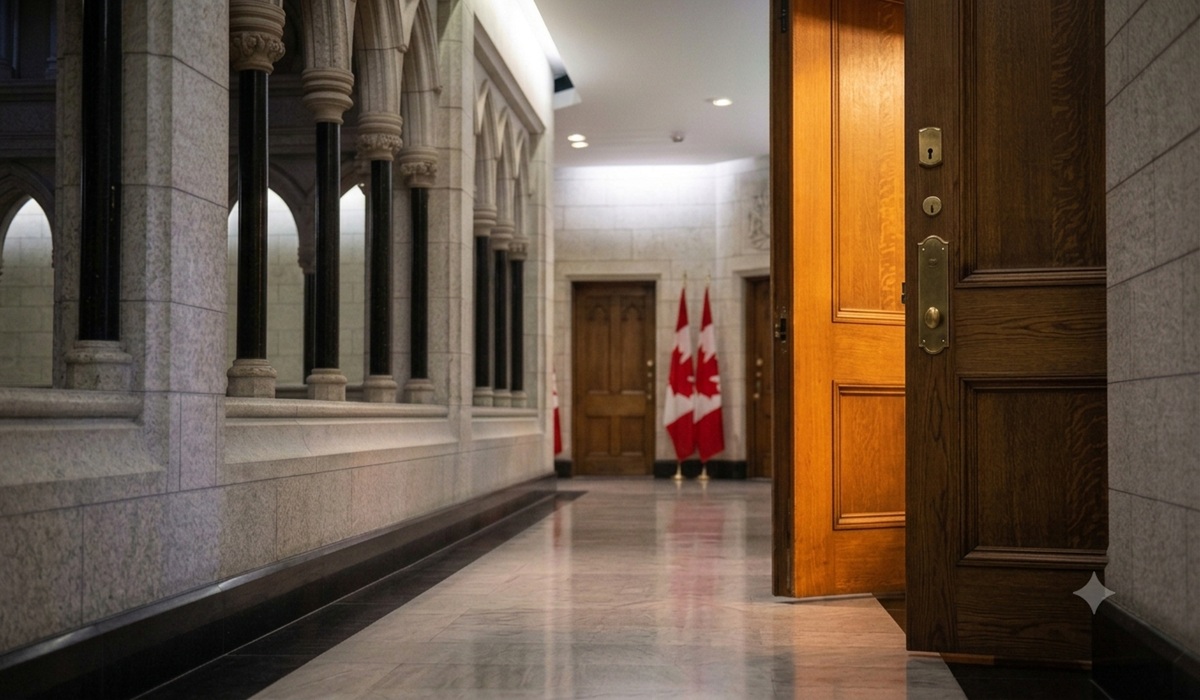
The announcement in Halifax, made during President Volodymyr Zelenskyy’s visit and accompanied by carefully calibrated language about democracy, sovereignty, and a “just and lasting peace,” landed with an air of inevitability. Another multi-billion-dollar commitment tied to Ukraine’s survival, recovery, and reconstruction by the Canadian government. Another declaration of resolve. Another signal to allies and adversaries alike that support has not wavered.
But nearly four years into the war, inevitability is not the same as clarity. And clarity is precisely what feels missing.
The newly announced $2.5 billion package is not a single transfer of cash. It is a complex web of loan guarantees, debt suspensions, and financial backstopping through institutions like the International Monetary Fund, the World Bank, and the European Bank for Reconstruction and Development. These mechanisms are designed to unlock larger sums of money, stabilize Ukraine’s economy, and keep basic state functions operating while the war grinds on.
On paper, this looks pragmatic. In reality, it raises deeper questions about timing, intent, and endgames.
Why now? Why another large commitment at a moment when the conflict appears neither close to resolution nor decisively shifting on the battlefield? The answer offered publicly is familiar: winter is coming, infrastructure is under attack, and economic collapse would weaken Kyiv’s negotiating position. That logic assumes negotiations are imminent, or at least plausible.
Yet the war has increasingly taken on the characteristics of a prolonged attritional conflict—one sustained not just by weapons, but by financial endurance. The language of peace is omnipresent, but the architecture being built is one of long-term war management.
This is where the conversation becomes uncomfortable.
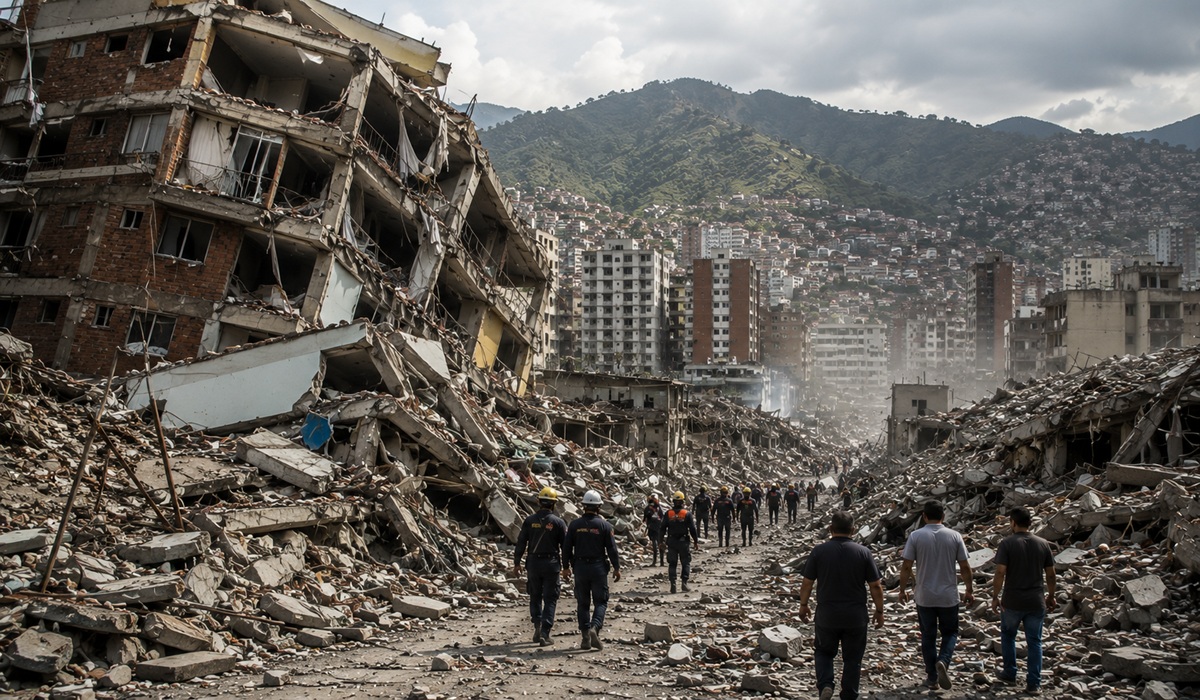
Financial stabilization is being framed as a pathway to peace, but it also functions as a mechanism that allows the war to continue without forcing hard political decisions on any side. Loan guarantees defer costs. Debt suspensions postpone consequences. Reconstruction planning happens even as destruction remains ongoing. These tools buy time—but time for whom, and to what end?
There is also the question of affordability, which cannot be answered honestly by pointing only to balance sheets. In raw fiscal terms, a wealthy G7 country can absorb loan guarantees and delayed liabilities. But affordability is not just about whether the money exists; it is about what is being prioritized, what risks are being assumed, and what happens if those risks materialize.
Every guarantee is a bet on future stability. Every suspended debt assumes a functioning post-war economy capable of repayment. Those assumptions may prove correct—or they may not. History offers no shortage of examples where well-intentioned post-conflict financing failed to deliver the political or economic outcomes promised.
Which brings us to a question rarely addressed in official statements: how did this war really begin, and who ultimately benefits from its continuation?
Russia’s invasion was unprovoked in military terms, but wars do not emerge in a vacuum. Years of NATO expansion, frozen diplomatic frameworks, unresolved security guarantees, and competing spheres of influence set the stage long before tanks crossed borders. Acknowledging that context does not excuse aggression, but ignoring it makes lasting peace harder to imagine.
And when the war eventually ends—whenever that may be—who emerges stronger? Ukraine will be left with enormous reconstruction needs and long-term debt obligations, even if much of that debt is softened or delayed. Arms manufacturers, energy traders, and financial institutions, meanwhile, have already profited handsomely from a conflict that has reshaped global markets.
That reality invites another difficult question: do Ukraine’s largest backers actually want peace, or do they want a managed outcome that preserves strategic advantage?
Peace, real peace, requires compromise, security guarantees that are credible to all sides, and a willingness to accept outcomes that may not look like total victory. It also requires acknowledging that prolonging war can become an end in itself when political, economic, and strategic interests align around continuation rather than resolution.
The Halifax announcement signals commitment, resolve, and alignment with allies. What it does not yet signal is a clear path to an end. Financial instruments can sustain a state. They cannot, on their own, deliver peace.
As more billions are pledged and more guarantees are extended, the most important question is no longer whether support will continue—but whether anyone involved is truly prepared for what it takes to stop the war, rather than simply manage it.
About The Author