E. coli Outbreak Tied to Pizza Pops Sends Fifth Person to Hospital as Cases Spread Nationwide
- TDS News
- Canada
- December 25, 2025
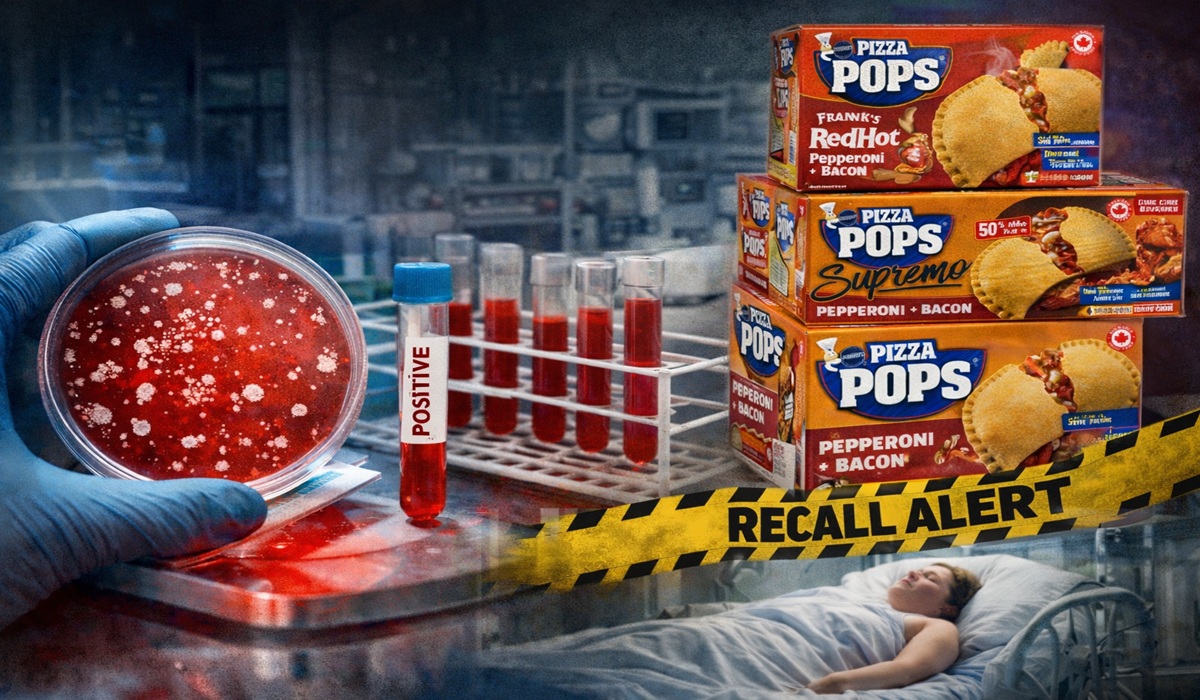
A fifth person has been hospitalized as a national E. coli outbreak linked to certain Pillsbury brand Pizza Pops continues to grow, with 23 confirmed illnesses reported across seven provinces.
Public health officials say the investigation remains active and warn Canadians not to consume, sell, serve, or distribute the recalled products while the source of contamination is still being examined.
Cases have now been confirmed in British Columbia, Alberta, Saskatchewan, Manitoba, Ontario, New Brunswick, and Newfoundland and Labrador. Alberta has reported the highest number of illnesses so far, followed by Saskatchewan and British Columbia. No deaths have been reported.
Those affected range in age from one year old to 87 years old, with just over half of reported cases involving women. While most people recover from E. coli infections without medical treatment, the fact that five individuals required hospitalization underscores the potential severity of the illness, particularly for vulnerable populations.
The outbreak has been linked to several varieties of Pepperoni + Bacon Pizza Pops, including standard packs, larger multi-packs, and specialty branded versions. A formal food recall is in effect, and public health authorities are urging consumers to check their freezers carefully.
Officials say many people who became ill reported eating or handling the recalled Pizza Pops. However, investigators caution that additional sources could still be identified as the inquiry continues.
Public health agencies also warn that reported case numbers likely underestimate the true scale of the outbreak. Many people with mild symptoms do not seek medical care or testing. Epidemiological estimates suggest that for every laboratory-confirmed case of non-O157 E. coli, dozens more may go unreported.
Health officials note that there can be a significant delay between illness onset and confirmation, sometimes exceeding a month, which means additional cases may still surface in the coming weeks.
E. coli infections can present a wide range of symptoms, including nausea, vomiting, headache, fever, severe stomach cramps, and diarrhea that may be watery or bloody. Symptoms typically appear within one to ten days after exposure and usually resolve within a week. In more serious cases, infections can lead to hospitalization and long-term health complications.
Certain groups face higher risks of severe illness, including young children, older adults, pregnant individuals, and people with weakened immune systems.
Canadians are being advised to dispose of recalled products or return them to the place of purchase and to thoroughly clean and sanitize any surfaces, containers, or appliances that may have come into contact with the products. People experiencing symptoms consistent with E. coli infection are urged to contact a healthcare provider.
Public health officials emphasize that many frozen foods are not ready-to-eat and must be cooked thoroughly according to package instructions to reduce the risk of illness.
As the investigation continues, authorities say updated information will be released as it becomes available.
About The Author