How Traffic Plays a Role in Fiber Network Upkeep
- Casey Cartwright
- Technology
- Tiger's Eye Advisory Group - Trending News
- December 23, 2025
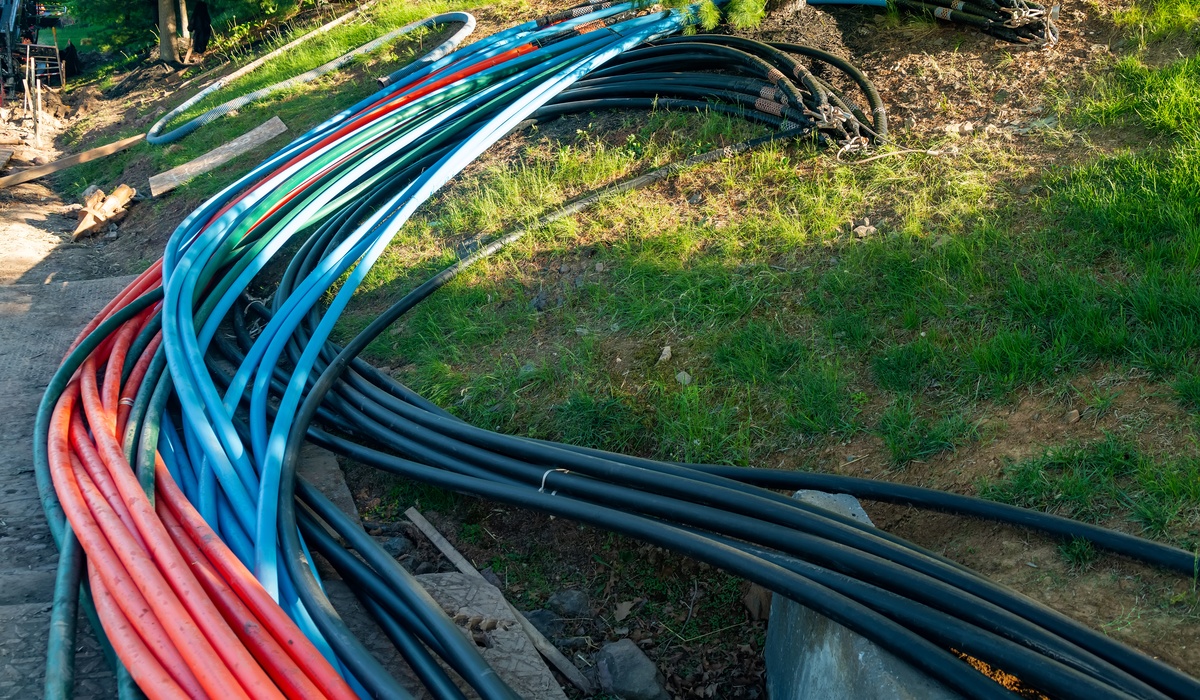
Modern society relies heavily on fiber optic networks for communication, commerce, and information access. The stability and performance of these networks are paramount, and their upkeep is a complex process. A significant, yet often overlooked, factor influencing fiber network maintenance is road and pedestrian traffic. It’s important to understand this relationship to ensure the long-term reliability of our digital infrastructure. Let’s take a closer look at how traffic plays a role in fiber network upkeep.
Scheduling maintenance for fiber optic networks requires careful planning to minimize disruption. Technicians often need to access underground vaults, aerial cables, or street-side cabinets, which can necessitate lane closures or sidewalk blockages. In areas with high vehicular or pedestrian traffic, performing this work during peak hours is impractical and unsafe. It creates significant congestion, poses risks to workers and the public, and can lead to costly project delays.
Consequently, network operators must schedule maintenance activities during off-peak hours, typically overnight or on weekends. This strategic scheduling, dictated by traffic flow, is essential for efficient and safe network servicing.
The physical infrastructure of fiber networks is constantly subjected to stress from surface traffic. Buried fiber conduits, while protected, are not immune to the effects of heavy vehicle loads. Constant vibrations and the sheer weight of traffic, especially from trucks and buses on major thoroughfares, can cause soil to shift and compact over time. This movement can exert pressure on conduits, potentially leading to cracks or breaks.
The placement of access points, such as handhole placement for network maintenance, must be strategically chosen to minimize exposure to direct, heavy traffic loads. Over time, this sustained physical stress increases the likelihood of damage to the fiber cables housed within, necessitating more frequent inspections and repairs.
Unpredictable events, such as a cut fiber line, require immediate emergency repairs to restore service. Traffic conditions can severely complicate these urgent situations. First responders and repair crews may face significant delays reaching the fault location, especially in dense urban environments during rush hour.
Once on-site, managing traffic to create a safe work zone becomes a major logistical challenge. A simple repair that might take a few hours in a low-traffic area could take much longer in a congested one, extending service outages for customers. The accessibility of network components is therefore directly tied to prevailing traffic conditions, impacting routine and emergency maintenance timelines.
Effective fiber network upkeep requires a deep understanding of the urban environment. By analyzing traffic data and planning infrastructure routes to avoid the most heavily trafficked corridors where possible, network operators build more resilient systems. This foresight reduces long-term maintenance costs and minimizes service disruptions.
As cities grow and traffic patterns evolve, a proactive approach to network planning that accounts for these external pressures will be vital for maintaining the robust connectivity that society demands.
About The Author