Why You Shouldn’t Overlook a Senior Dog When Searching
- Casey Cartwright
- Culture
- Tiger's Eye Advisory Group - Trending News
- December 19, 2025
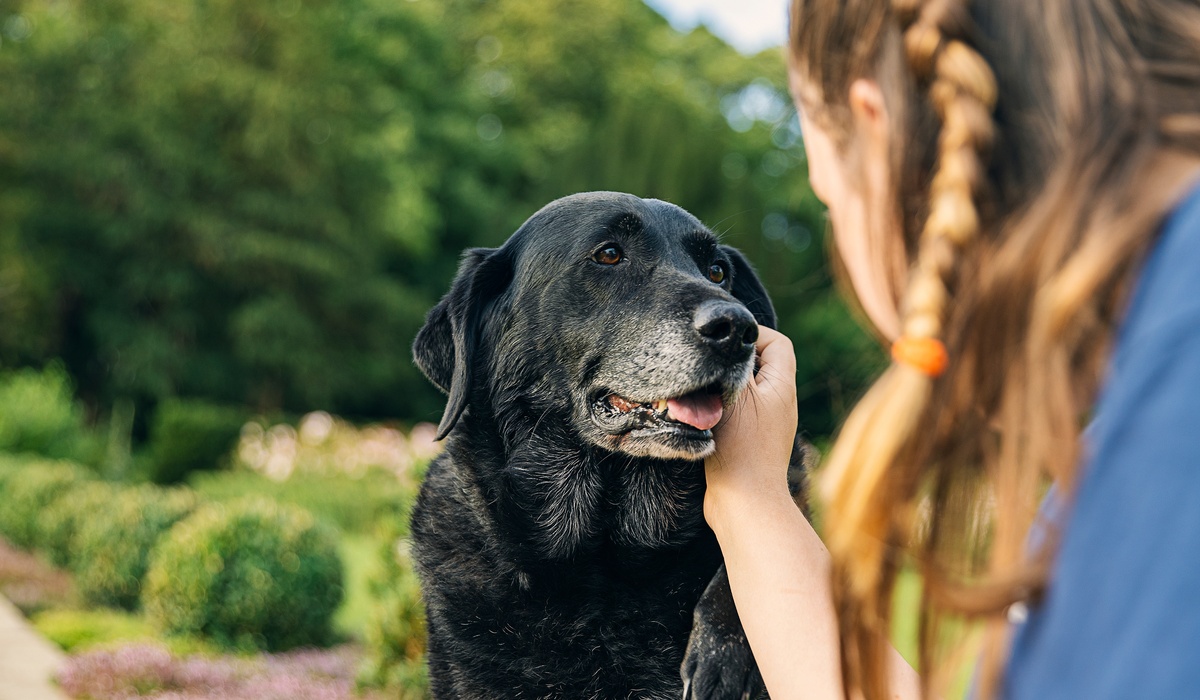
When people decide to bring a new dog into their homes, they often imagine the boundless energy and playful antics of a puppy. This common preference means that older dogs in shelters are frequently passed over, waiting much longer for a chance at a new life.
The reality is that senior dogs offer unique and substantial benefits that make them excellent companions, particularly for households that may not be prepared for the demands of a young animal. Choosing to adopt an older dog is a deeply rewarding experience, not just for the adopter, but for the deserving animal as well. We’re exploring why you shouldn’t overlook a senior dog when searching for the perfect family pet.
One of the most significant advantages of adopting a senior dog is the certainty of its personality and physical characteristics. Unlike a puppy, whose full-grown size, temperament, and energy level can be unpredictable, an older dog has already reached maturity. Their personality is fully formed, so shelter staff can provide accurate information about whether the dog is calm, active, shy, or outgoing.
The predictability allows prospective owners to find an animal that genuinely matches their lifestyle and home environment. Additionally, their grooming needs and full-grown size are already established, eliminating any guesswork about future care requirements. Knowing these details from the outset helps ensure a successful and lasting placement.
Senior dogs often come with a history of life in a home, which means many of them have already learned basic obedience and house-training rules. While some may need a brief adjustment period, they frequently understand commands like “sit” and “stay” and are accustomed to a household routine. Their calmer demeanor is another considerable benefit.
Most older dogs have moved past the hyperactive, destructive phase of puppyhood, which involves constant chewing, digging, and jumping. They tend to be more content with relaxed activities, such as leisurely walks and napping by your side, making them ideal companions for individuals or families who prefer a more settled and less demanding pet.
Introducing a new dog to the family requires an adjustment period for everyone, but seniors often acclimate more quickly than puppies. Having lived in a home before, they understand the general dynamics of family life. They require less constant supervision, freeing up valuable time for their owners.
While every dog needs love and attention, seniors are generally more independent and do not demand the round-the-clock monitoring a puppy needs for safety and training. These qualities can make the integration process smoother and less stressful. It’s still important to select the right breed for your family, considering factors like energy and temperament, but a senior dog’s established history provides a clear picture of what to expect.
The decision to adopt a dog is a significant one, and considering a senior animal can lead to an incredibly positive outcome. The predictability of their nature, their existing training, and their calmer disposition make them wonderful additions to many households.
More importantly, adopting a senior dog provides a deserving animal with a loving home in its later years. The quiet companionship and unwavering loyalty of an older dog are rewards that enrich the lives of their adopters in countless ways. By choosing a senior, you are gaining a devoted friend and saving a life. When you begin your search for a family pet, don’t overlook the presence of a senior dog.
About The Author