Trump Threatens NYC Funding if Mamdani Wins, Sparking Political Retaliation Concerns
- Kingston Bailey
- Breaking News
- November 3, 2025
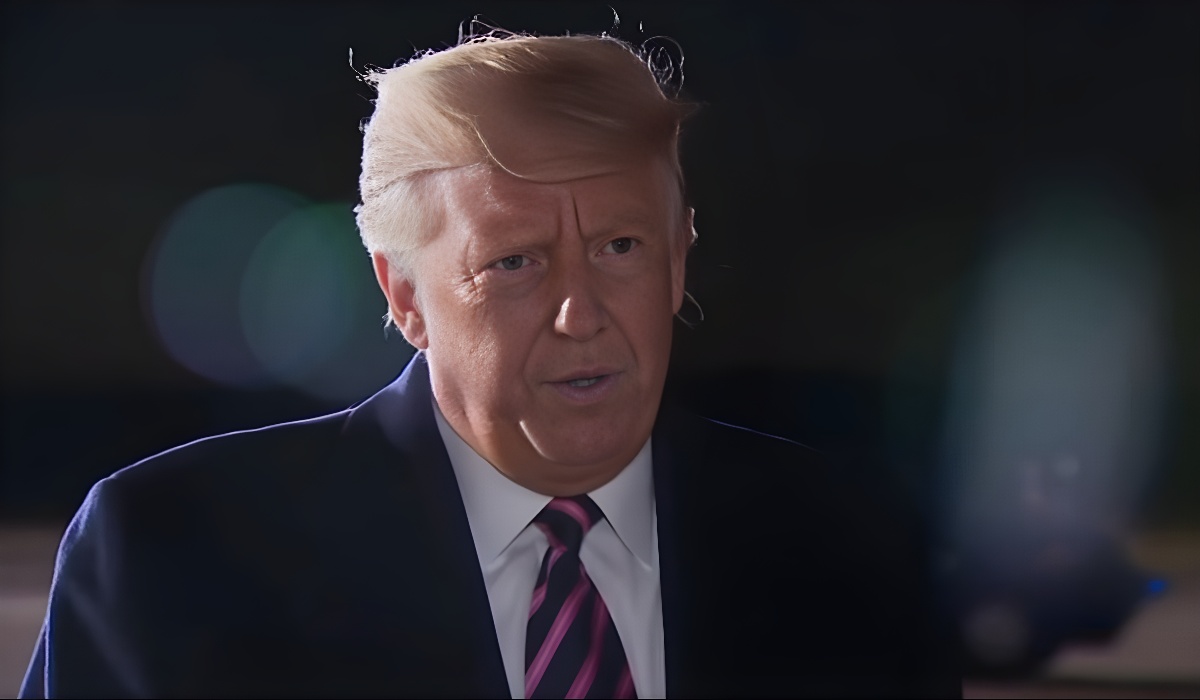
In his recent 60 Minutes sit-down, President Donald Trump again stirred debate by suggesting federal funding for New York City could be impacted if Council Member Zohran Mamdani were elected mayor. Trump, who still identifies deeply with his New York roots despite long-standing tensions with its political leadership, made it clear he views Mamdani as far outside his ideological comfort zone. “It’s gonna be hard for me as the president to give a lot of money to New York, because if you have a Communist running New York, all you’re doing is wasting the money you’re sending there,” he said. Those words landed with the kind of weight that instantly reverberated across the political spectrum.
The suggestion that a city’s access to federal resources could hinge on who voters choose as their mayor raises uncomfortable questions about governance, responsibility, and democracy. New Yorkers are used to political jabs from Washington, but this cuts differently. Federal dollars for a city are not gifts; they are part of a nation-wide commitment to infrastructure, housing, transportation, public safety, disaster response, and social programs. The president’s role has historically been to serve the entire country regardless of state or local political outcomes. When funding discussions sound like conditional loyalty tests, they become less about policy and more about power.
This isn’t the first time critics have accused Trump’s administration of weaponizing federal authority against political opponents. Democratic-led states and cities have endured rhetorical and policy-driven confrontations—whether through immigration crackdowns, law enforcement posturing, or threats of federal intervention. Supporters argue he is holding progressive cities accountable. Detractors see something else entirely: a pattern of punishing jurisdictions that refuse to align politically. The fact that he himself is a son of New York gives this latest exchange an added layer of personal history, one laced with the sense of a complicated relationship with the city that once made him and later largely rejected him. To many, his comments feel less like national leadership and more like unresolved grievance.
Zohran Mamdani has been outspoken on issues of housing, policing, and inequality, positioning himself among America’s more progressive urban politicians. For some supporters, that represents a bold move toward transformative policy. For critics, it’s radicalism that risks destabilizing one of the world’s most important cities. But the debate about his ideas should remain in the public square where voters evaluate visions and values—not in a presidential warning suggesting financial reprisal for electing someone Washington disapproves of. Democracy is healthiest when people vote freely, confident that their federal government will govern with fairness, not favoritism.
There is a diplomatic way to manage ideological differences in a federal system, one rooted in respect for local decision-making, even when it diverges sharply from the White House. New York, like every American city, will continue to face enormous challenges—on housing, affordability, public safety, and infrastructure. Those challenges cannot be met with conditional support based on political allegiance. If anything, moments like this call for leadership that rises above personal feelings and political rivalries and focuses on the fundamental truth that strong cities build strong nations. And for a president who built his brand on the skyline of New York, choosing cooperation over conflict would not only serve the country—it would speak volumes about maturity, legacy, and the ability to lead beyond personal history.
About The Author