Oil, Optics, and High Stakes: Why Trump Is Talking Tough on Venezuela — But Not Marching to War
- Ingrid Jones
- U.S.A
- November 3, 2025
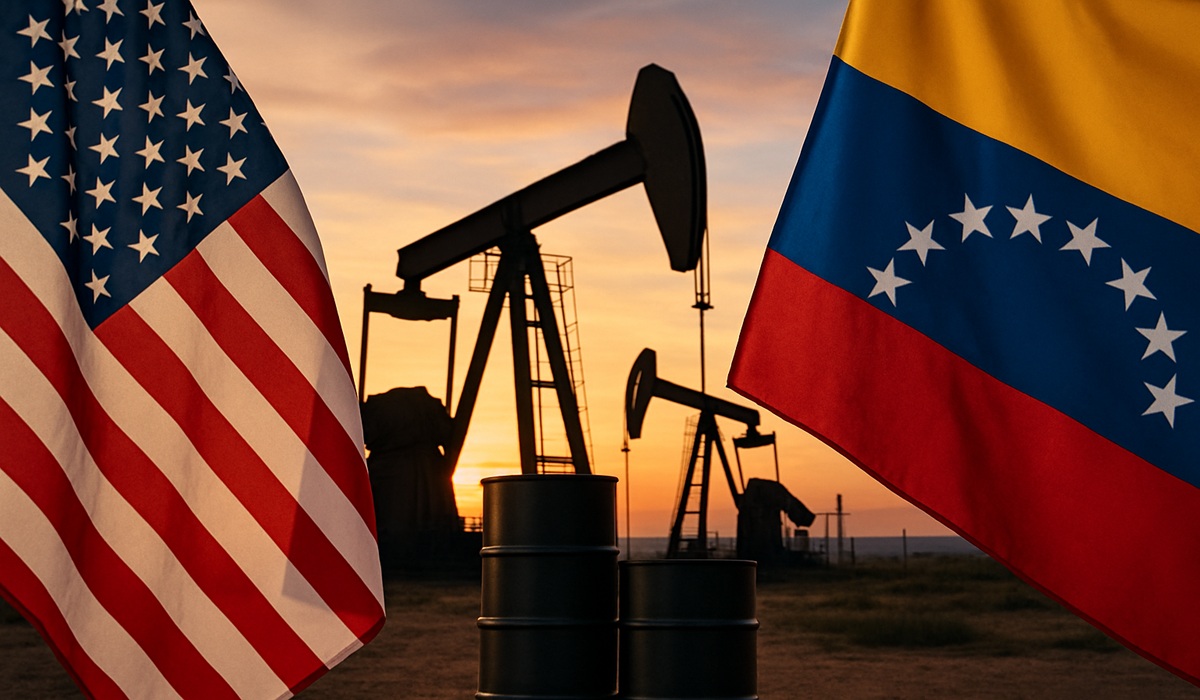
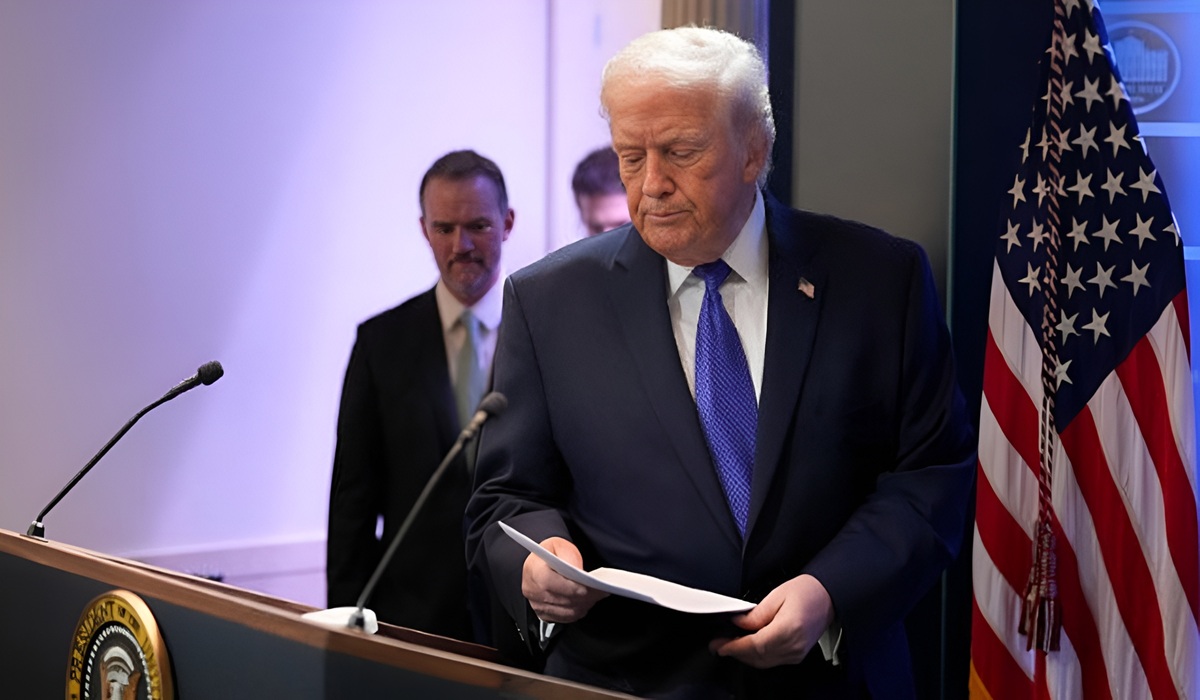
Donald Trump has dialed down the drumbeat for a U.S. military confrontation with Venezuela, publicly dismissing the likelihood of war while still hinting that Nicolás Maduro’s presidency is on borrowed time. In a recent sit-down with CBS’ 60 Minutes, when asked whether the United States was heading to war with Venezuela, Trump replied, “I doubt it. I don’t think so. But they’ve been treating us very badly.” It was an answer crafted to sound firm without committing to action, a balance between posturing and political reality.
The subtext is simple but explosive: Venezuela sits on one of the world’s largest oil reserves, and Washington has long eyed that resource. Public messaging often frames U.S. interest in Venezuela as rooted in concerns over democracy, narcotics, or human suffering, but the geopolitical math has always been fueled by oil barrels and strategic influence. If this were truly about drugs, U.S. forces would have seized and interrogated high-value traffickers and dismantled trafficking channels the way they do in other major narcotics operations. Washington openly claims to track the routes and logistics of Venezuelan-linked drug flows, yet instead of covert captures or diplomatic pressure campaigns, the narrative has defaulted to demonization and threats — a political theatre more than an anti-narcotics strategy.
Diplomacy, if Washington genuinely sought it, could have been pursued. Engagement, sanctions relief negotiations, humanitarian stabilization, or cooperative law enforcement partnerships were options. Instead, past administrations signaled regime-change intent and covert disruption. When world powers violate international law, they call it strategy; when adversaries do, they call it aggression. The double standard is familiar enough that global audiences barely blink anymore.
Trump’s public tone may sound strong, but the strategic calculation is clear. Another war is politically radioactive. Midterm elections loom, and the domestic scoreboard is unforgiving: tariffs squeezing farmers and manufacturers, tech industries rattled by instability, inflation concerns stirring, and public sentiment exhausted after decades of costly foreign interventions. Entering another conflict — especially one that risks American lives when Venezuela has not attacked the United States — would be deeply unpopular. It would hand opponents easy talking points and alienate an electorate already wary of endless militarism.
There’s also a cold military reality. Venezuela is not Iraq, nor Libya. It is armed, entrenched, and backed by powerful partners. Russia and others have established military and intelligence cooperation with Caracas. Reports of millions of mobilized militia forces alongside Venezuela’s standing military complicate any invasion scenario. Yes, the United States has unmatched air power and the CIA’s long history of covert operations, but urban warfare, guerilla resistance, and proxy support from Moscow or Tehran would make intervention costly and unpredictable. America could win the battle and lose the decade — just as it has in other regions where regime-change fantasies collided with nationalistic resistance.
For all the swagger, Trump recognizes that America’s appetite for foreign wars has collapsed. The United States has no public mandate for another intervention, especially one framed around disputed national interests. A war with Venezuela would not be a quick show of force but a grinding campaign against a nation with no grievance against the American people and with international support that complicates escalation.
So Trump walks a tightrope. He postures strength for his base while avoiding a war that could cost lives, money, and votes. He floats the idea that Maduro’s days are numbered, but without staking U.S. credibility on a promise of regime collapse. It is power politics dressed in diplomatic restraint — a rare moment where the performance matters as much as the outcome.
Whether Trump’s calculation is driven by strategy, necessity, or political survival, the message is unmistakable: the United States wants influence in Venezuela, particularly its oil wealth, but it does not want the body bags, the global outrage, or the political blowback that would come from attempting to seize it by force. InWashington’s calculus, Venezuelan oil is temptation, but another war could be political suicide.
America may have the power to launch wars at will, but the costs are no longer theoretical. And in this moment, at least, reality has checked ambition.
About The Author