In The Month of Ramadan, We Honor Her Highness Sheikha Moza bint Nasser
- TDS News
- Trending News
- Ramadan
- February 20, 2026
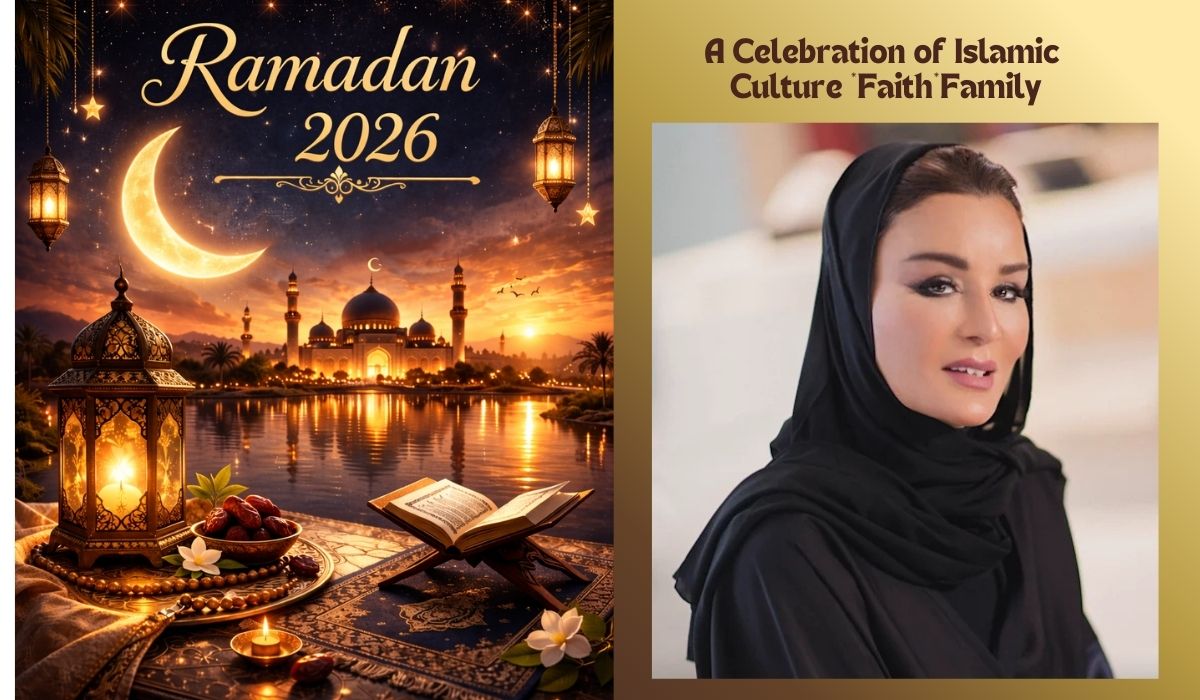
Education, Faith, and the Global Voice of a Qatari Woman
During Ramadan, conversations often center on devotion, charity, and personal reflection. Yet the holy month is also a reminder that faith, when paired with action, can shape societies. Few modern figures embody that connection between spiritual grounding and global impact as clearly as Sheikha Moza bint Nasser.
In a region frequently reduced to headlines about geopolitics or energy markets, Sheikha Moza has built a reputation rooted in education, reform, and long-term investment in human capital. As chairperson of the Qatar Foundation, she has been instrumental in transforming Education City in Doha into a global academic hub. International universities established campuses there, research initiatives flourished, and Qatar positioned itself as a center for intellectual exchange in the Middle East.
Her work did not emerge in isolation from her faith. In interviews and speeches, she has often emphasized dignity, knowledge, and social responsibility—values deeply embedded in Islamic tradition. Ramadan, in particular, underscores the pursuit of self-discipline and compassion for those facing hardship. Her advocacy for education in conflict zones through global initiatives reflects that moral framework. Access to schooling, especially for girls, has been central to her platform, reinforcing the idea that empowerment begins with opportunity.
Sheikha Moza’s public presence has also challenged narrow stereotypes about Muslim women. Confident, articulate, and globally engaged, she represents a model of leadership that blends cultural identity with international influence. Her style and visibility have drawn attention, but beneath the symbolism lies policy-driven work that spans education reform, youth development, and social innovation.
In Qatar’s rapid modernization, balancing tradition and global engagement has required careful navigation. She has positioned education as the bridge between heritage and progress. Rather than viewing globalization as a threat to cultural identity, she has framed knowledge exchange as a means of strengthening it. That philosophy resonates during Ramadan, when reflection is paired with renewal.
Critics sometimes question the pace or scope of reforms in Gulf states, and no society evolves without tension. However, the emphasis on education and human development represents a long-term strategy rather than a short-term gesture. Institutions built today will shape generations to come.
Ramadan reminds Muslims that transformation begins internally before it radiates outward. Fasting teaches restraint; prayer cultivates humility; charity reinforces social bonds. In her public life, Sheikha Moza has consistently linked personal responsibility to collective progress. Education, in her view, is not merely economic infrastructure. It is moral infrastructure.
For young Muslim women across the region and beyond, her visibility carries weight. Leadership does not require abandoning faith or identity. It requires commitment, patience, and vision. During a month dedicated to spiritual clarity, her journey offers a reminder that devotion can coexist with ambition, and that service to community can operate on a global scale.
In the stillness of Ramadan evenings, as families gather and prayers echo through mosques, the broader message of the month becomes clear. Renewal is possible. Growth is possible. And when knowledge is paired with faith, the impact can extend far beyond borders.
About The Author