Gathering Storm: The United States, Iran, and the Shadow of Escalation
- Ingrid Jones
- U.S.A
- February 20, 2026
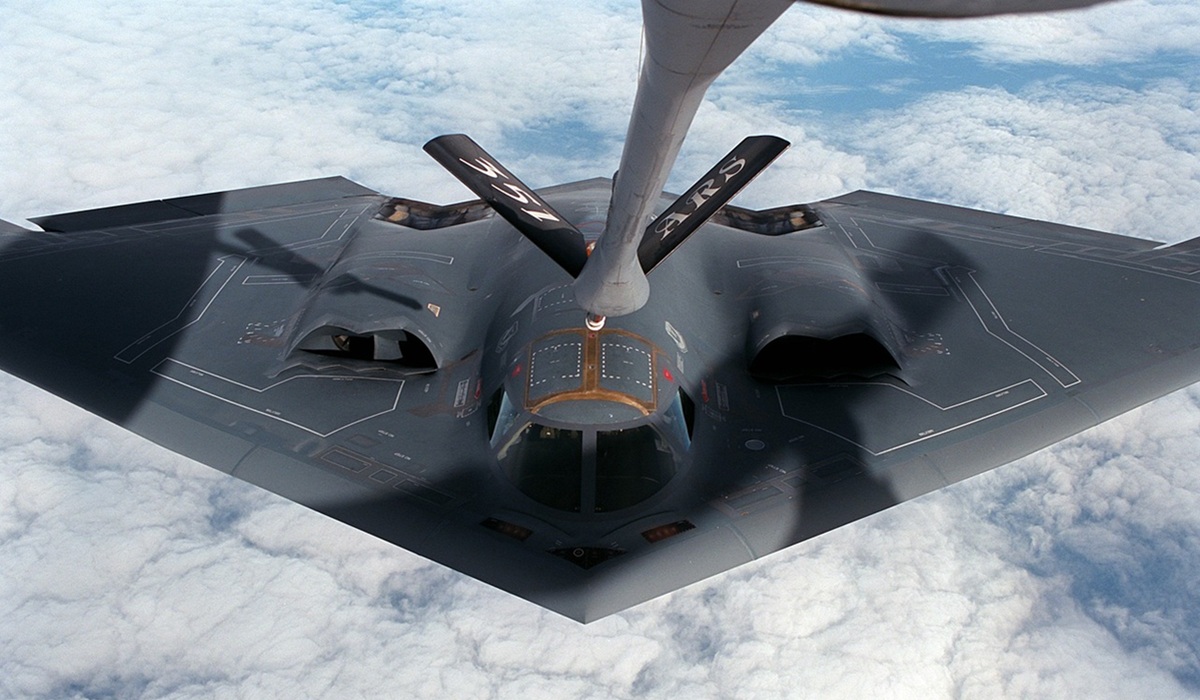
Image credit: Defence-Imagery
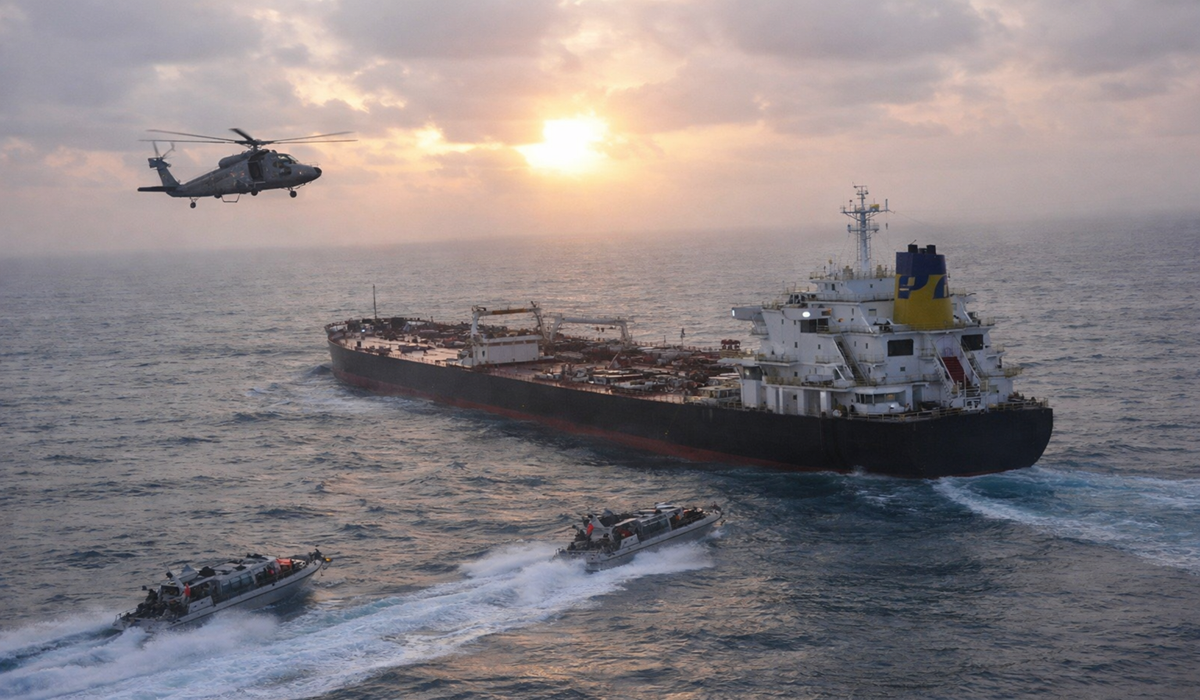
Reports of increased American military positioning in the region surrounding Iran have stirred unease across diplomatic circles. Aircraft carriers, long-range bombers, and missile defense systems do not move without intention. Even when described as “deterrence,” such movements signal preparation.
The United States maintains that force posture adjustments are defensive, meant to protect allies and discourage aggression. Officials point to longstanding tensions, proxy conflicts, and disputes over nuclear development as justification for vigilance. From Washington’s perspective, readiness prevents miscalculation.
Yet readiness can also invite it. History shows that military buildups, even when framed as precautionary, can harden positions and narrow political space for compromise. The Gulf region is already a tinderbox of rivalries, economic pressures, and fragile alliances. Any direct confrontation would not unfold in isolation. Oil markets would convulse. Shipping through strategic waterways could halt. Regional actors would be drawn in. Civilians, as always, would bear the brunt.
An American strike on Iranian facilities would risk retaliation not only against military targets but potentially against regional bases and maritime assets. Thousands of American service members are stationed within range of Iranian missiles. Beyond them are contractors, diplomats, and civilians. Military planners understand these risks, yet the calculus of deterrence often discounts the unpredictable human cost.
On the other side, ordinary Iranians face the prospect of devastation. Sanctions have already strained the economy and everyday life. Infrastructure damage from military action would deepen humanitarian suffering. In modern warfare, precision does not eliminate collateral damage. Hospitals lose power. Water systems fail. Families flee.
The language of “war mongering” is often deployed too casually in public discourse. Still, there is a palpable fatigue among global citizens who have watched decades of conflict across the Middle East yield cycles of destruction rather than durable peace. Skepticism toward escalation does not equate to support for any government’s policies. It reflects a recognition that military confrontation between the United States and Iran would reverberate far beyond the battlefield.
Diplomacy is slow, frustrating, and often unsatisfying. Military action is decisive, dramatic, and irreversible. Statesmen must weigh not only strategic objectives but generational consequences. The shadow of a larger war would not stop at borders. It would reach energy markets in Europe, shipping lanes in Asia, and families in North America whose sons and daughters serve abroad.
The gathering of forces is not yet war. It is, however, a reminder of how quickly rhetoric can turn into reality. In moments like these, restraint is not weakness. It is recognition that once the first strike is launched, control over the aftermath becomes an illusion.
The world watches, uneasy, hoping that positioning remains posturing and that cooler calculations prevail over the pull of escalation.
About The Author