Canada Enters SAFE: What It Means for Workers, Industry, and National Security
- Ingrid Jones
- Canada
- December 2, 2025
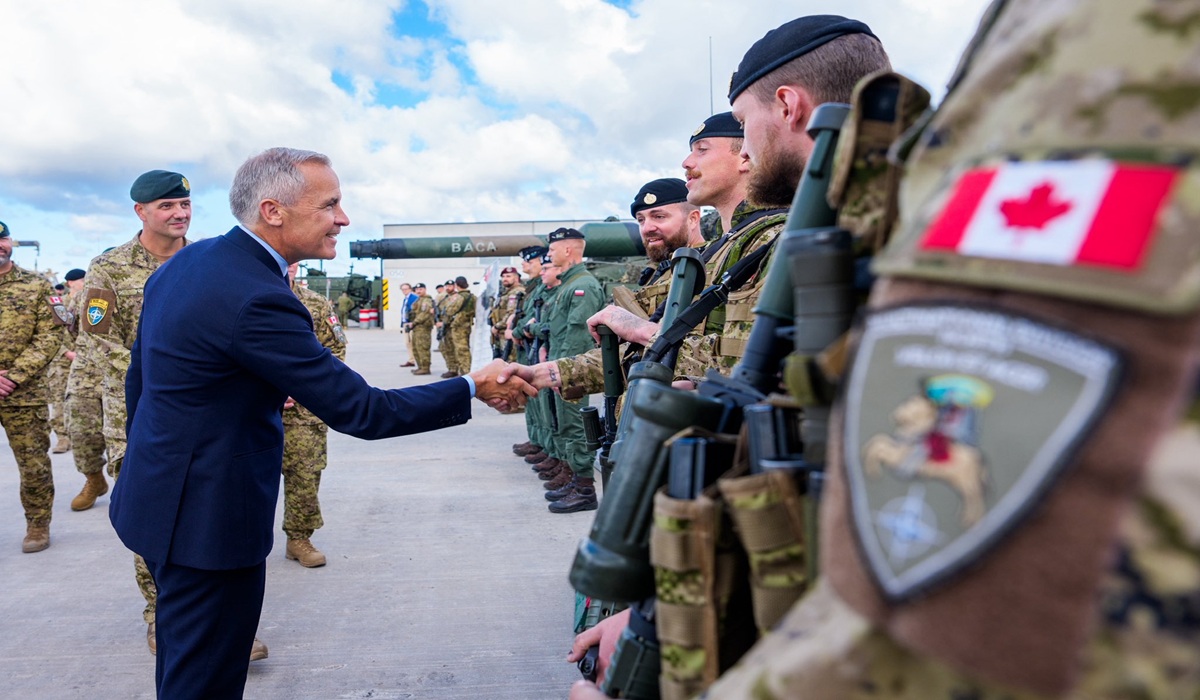
Image Credit: Government of Canada
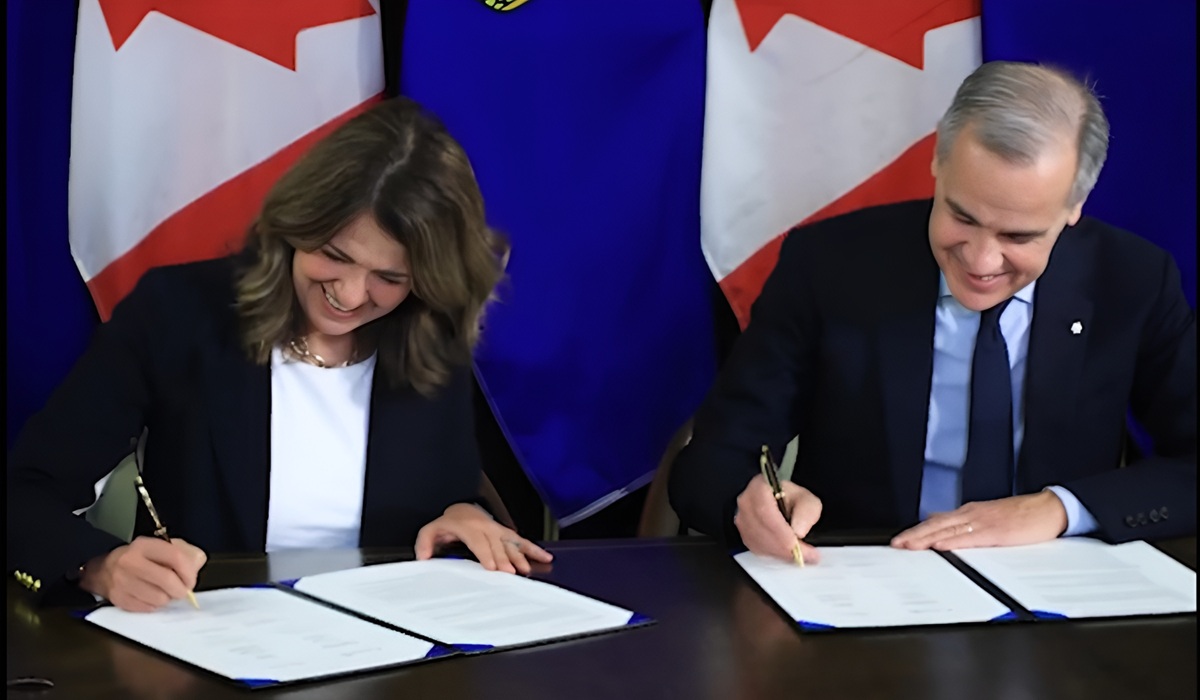
When Prime Minister Mark Carney announced that Canada will soon become the first non-European nation to participate in SAFE, it marked a turning point in both defence policy and economic strategy. The message may seem simple on the surface, but the implications run far deeper. SAFE is not merely another international agreement; it’s a structural shift in how Canada builds, acquires, and strengthens its military capabilities—while injecting new momentum into domestic industries that have long been poised for expansion.
This move signals that Canada is stepping into a more assertive role within the global defence ecosystem. As conflicts become more complex and supply chains more fragile, military readiness is no longer something that countries can choose to take lightly. SAFE, at its core, is designed to address exactly that challenge: pooling resources, coordinating procurement, accelerating production, and ensuring that member nations have rapid access to the equipment they need.
For Canada, participation means more than joining another table. It reframes the country’s long-standing position as a purchaser of defence goods and pushes it towards becoming a supplier, a collaborator, and a builder of next-generation systems.
Carney’s emphasis on “a huge win for Canadian workers, businesses, and our Armed Forces” captures the heart of the change. SAFE opens the door to an expanded catalogue of contracts that Canadian companies historically lacked the scale or access to compete for. Defence manufacturers across the country—from aerospace innovators in Quebec and Manitoba to shipyards on both coasts—are now better positioned to enter markets that were previously closed or restricted. It’s the kind of structural opening that could reshape entire regional economies.
Beyond the business potential lies the manufacturing reality: participation in SAFE means that factories currently building civilian or dual-use components could be granted new military contracts coded with international demand. That translates into more stable, longer-term production lines, more skilled trade jobs, and more investment into the technologies that Canada has been quietly leading for years—composite materials, AI-driven targeting systems, simulation, advanced robotics, and clean propulsion.
For the Canadian Armed Forces, the benefits are equally direct. Access to new equipment—without the years of delay that traditionally come from custom procurement—means the military can replenish aging assets faster, test new systems sooner, and integrate interoperable tools with allies more seamlessly. SAFE’s structure shortens wait times, lowers costs, and ensures readiness at a moment when geopolitical tensions are reshaping global alliances and exposing vulnerabilities.
It also signals a shift in Canada’s defence philosophy. For decades, the conversation has focused heavily on spending targets or whether procurement processes were too slow. SAFE moves the dialogue towards capability, partnership, and efficiency. Instead of debating how much to spend, the emphasis now is how quickly Canada can produce, deliver, and innovate. That’s a philosophical pivot—one that aligns more with a 21st-century understanding of security, industry, and sovereignty.
Another dimension of the announcement is its symbolic weight: being the first non-European nation to join SAFE underscores Canada’s reputation as a trusted, stable partner with advanced industrial capacity. It raises Canada’s profile within the Western defence bloc and positions it as a bridge between North American technological might and European strategic urgency. This is not simply participation; it’s leadership.
The decision also comes at a time when global defence spending is rising and nations are working to strengthen their supply chains. Canada, with its vast natural resources, manufacturing talent, and expanding tech sector, becomes a logical anchor within that network. SAFE offers the mechanism, but Canada provides the capacity.
From an economic perspective, the ripple effects will be substantial. New defence contracts create long-term employment and high-value careers in engineering, machining, cybersecurity, logistics, fabrication, and specialized research. The manufacturing sector—which has at times suffered from global market saturation and international competition—gains a new competitive edge. Projects that would normally require heavy bureaucratic lifting can now move through a coordinated multinational system designed to streamline production and distribution.
The timing also matters. As AI, autonomous systems, and next-generation surveillance tools become integral to defence, Canadian companies working in these fields may find themselves pulled into collaborations that were previously inaccessible. SAFE doesn’t just open markets; it accelerates innovation cycles. Canadian entrepreneurs, researchers, and advanced-tech firms could find themselves contributing to some of the most important defence technologies of the decade.
Ultimately, Carney’s announcement reflects a Canada that is preparing for the world as it is—not as it once was. SAFE is both a security initiative and an economic engine. It strengthens the Armed Forces, advances Canadian manufacturing, creates new export opportunities, and places the country inside a rapidly evolving network of defence-oriented cooperation.
The message behind the tweet is clear: Canada is not sitting on the sidelines. It’s investing in readiness, supporting its military, and empowering its industries to compete globally. SAFE is the mechanism, but the real story is the country’s commitment to rebuilding capability, confidence, and industrial strength.
This is Canada stepping forward—not only to protect its future, but to shape it.
About The Author