Black History 365 Honors, Isaac Burns Murphy
- TDS News
- Trending News
- Black History 365
- February 20, 2026
The Jockey Who Rode Against the Odds
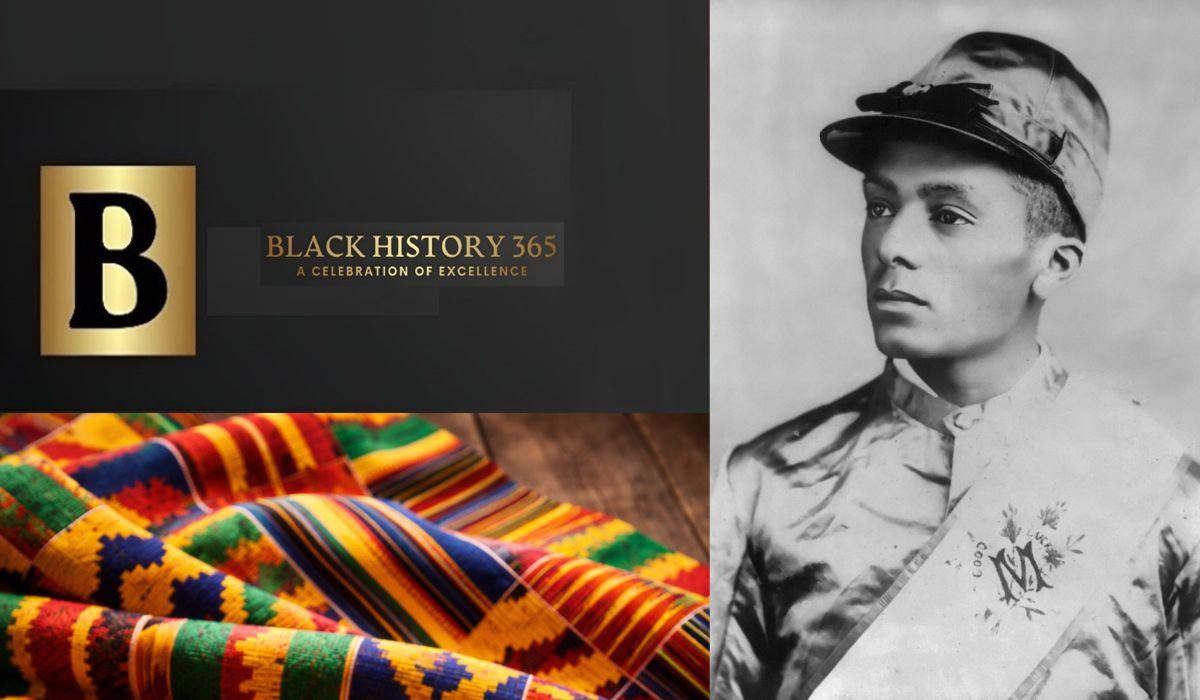
There was a time when the fastest men in American sport were Black, and few were faster, smarter, or more disciplined than Isaac Burns Murphy. Long before modern celebrity athletes signed endorsement deals and dominated headlines, Murphy quietly built one of the greatest careers in horse racing history, setting records that would stand for generations and navigating a nation that was simultaneously cheering his victories and denying his humanity.
Born in 1861, Murphy entered the world in the shadow of slavery and came of age during Reconstruction. By the time he was a teenager, he had already demonstrated a natural feel for horses, an instinctive understanding of pacing, and a calm under pressure that distinguished him from older riders. In the late nineteenth century, Black jockeys were not rare; they were dominant. Many of the earliest stars of American racing were formerly enslaved men or their sons. Murphy, however, rose above even that distinguished company.
He won the Kentucky Derby three times, in 1884, 1890, and 1891, becoming the first jockey to claim three Derby victories. His win percentage was extraordinary. In an era when racing schedules were brutal and conditions unpredictable, Murphy’s consistency bordered on unbelievable. He rode with intelligence rather than recklessness, often holding his mount back early before unleashing a decisive surge in the final stretch. Observers praised not just his skill but his composure. He rarely used the whip and was known for guiding horses with subtle cues and balance, preserving their strength for the decisive moments.
Yet his brilliance unfolded in a country retreating from Reconstruction, tightening the grip of segregation and racial violence. As Jim Crow laws spread and racial hostility hardened, opportunities for Black jockeys narrowed and owners and trainers increasingly pushed African American riders out of the sport they had helped define. Murphy endured harassment, false accusations, and physical intimidation. He was once jailed under questionable circumstances, an episode widely viewed as an attempt to tarnish his reputation.
Even so, he persisted, building a legacy that would not be erased, even as the sport itself became increasingly segregated. By the early twentieth century, Black jockeys had been largely driven from elite racing. Murphy’s career stands as both triumph and warning: triumph in what he achieved; warning in how swiftly a society can erase the contributions of those it once applauded.
In the broader arc of Black history, Murphy represents excellence under pressure. His story challenges the simplified narrative that African Americans were absent from early American sports leadership. On the contrary, they were pioneers. The racetracks of Kentucky and beyond were once arenas where Black athletes commanded respect, set standards, and shaped the very foundations of the sport.
Black History 365 is not merely about remembering famous names but about restoring context. Murphy was not a novelty act in a segregated age; he was a master of his craft in a field he helped elevate. When modern jockeys chase Derby glory, they ride in the shadow of a man who did it first, and did it three times, with grace.
History sometimes forgets its architects. It is our task to remember them.
About The Author