A Day of Reflection and Resolve: Understanding World AIDS Day and Indigenous AIDS Awareness Week
- Ingrid Jones
- Trending News
- December 1, 2025
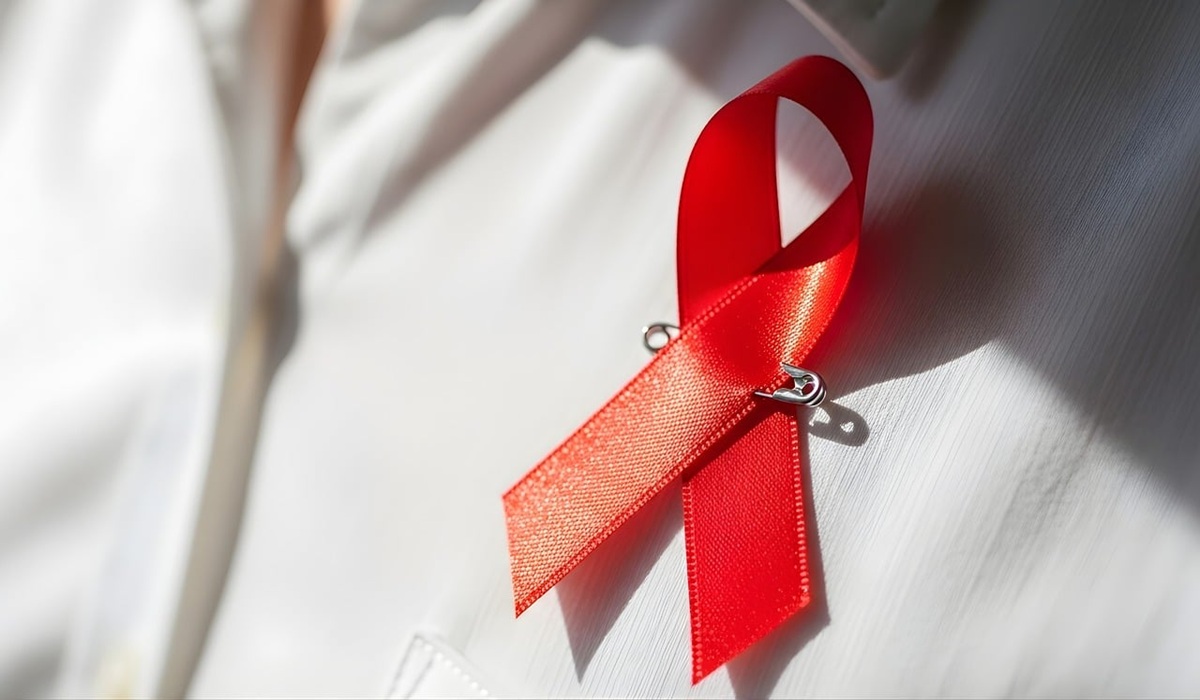
Every year, December 1 stands as a moment of global reflection, solidarity, and truth-telling. World AIDS Day, first established in 1988, was the first-ever international health observance. It emerged during a decade of profound fear and misunderstanding, at a time when HIV and AIDS were shrouded in stigma, and the world lacked both the medical advancements and the social awareness we now take for granted. The core idea behind setting aside this day was simple and powerful: unite people across nations to remember lives lost, support those living with HIV, and recommit to ending the epidemic.
In Canada, December 1 also signals the beginning of Indigenous AIDS Awareness Week, a week meant to highlight the strength, leadership, and lived realities of First Nations, Inuit, and Métis communities in the ongoing response to HIV. The connection between these two observances is intentional. Both prioritize dignity, truth, community-led solutions, and the understanding that public health cannot advance unless inequality is confronted directly.
This year’s theme, Overcoming disruption, transforming the AIDS response, speaks to a reality that is both hopeful and sobering. After several years of rising HIV diagnoses in Canada, new data from the Public Health Agency of Canada indicates a small decline in 2024. But the message from federal officials remains clear: the work is far from over. HIV still disproportionately affects people who live with social and health inequities, whether shaped by poverty, limited access to care, racism, or the lingering effects of colonial policies.
In their joint statement, the Minister of Health, Marjorie Michel, and the Minister of Indigenous Services, Mandy Gull-Masty, emphasized that Canada’s renewed Sexually Transmitted and Blood-Borne Infections Action Plan was designed with those inequities in mind. Its focus is not solely on the virus but on the deeper social structures that determine health: stigma, discrimination, access to culturally safe care, and the ability of communities to design responses that reflect their own knowledge and realities. This recognition marks a shift in how Canada frames the issue of HIV—from a clinical challenge to a human one, where people and dignity sit at the center.
Indigenous communities continue to demonstrate some of the most innovative approaches in the country. Community-led initiatives, including well-known models like Know Your Status, have created pathways to testing, treatment, and prevention that are grounded in culture, trust, and self-determination. The ministers noted that despite these successes, the weight of stigma, discrimination, and uneven access to health resources remains a barrier. Their message affirmed Canada’s commitment to distinctions-based partnerships—meaning that First Nations, Inuit, and Métis communities are not treated as one group, but as distinct nations with distinct experiences and priorities.
Another key part of Canada’s message this year is the continued support for the Undetectable = Untransmittable (U=U) campaign. Its science is clear: when someone living with HIV maintains an undetectable viral load, the virus cannot be transmitted through sex. That reality has been transformative. It dismantles decades of fear, reshapes public understanding, and empowers people living with HIV with knowledge that affirms both safety and dignity. The ministers highlighted U=U as a tool not only for education but also for fighting stigma, encouraging more people to get tested, and promoting access to treatment.
The broader call to Canadians this year is about responsibility and awareness. Testing regularly, practicing safer sex, understanding prevention options such as condoms or pre-exposure prophylaxis (PrEP), and staying engaged with available supports all help reduce transmission. These actions may seem small individually, but collectively they shape the public health landscape.
World AIDS Day is more than an observance—it is a reminder of the past and a roadmap for the future. It honours the people whose lives were cut short, acknowledges the resilience of those living with HIV today, and gives gratitude to the countless community workers, health care providers, advocates, and organizations who move the needle forward day after day. It also affirms a truth often overlooked: the story of HIV in Canada cannot be told without recognizing the leadership of Indigenous communities, whose strength and innovation continue to influence the national approach.
As the ministers noted, ending HIV as a public health concern requires partnership—across governments, across health systems, across cultures, and across communities. Progress is never the work of a single institution. It is a shared journey, one built on compassion, science, and the willingness to confront hard truths.
On this World AIDS Day and throughout Indigenous AIDS Awareness Week, Canadians are invited to reflect, to learn, and to act. The path forward is clearer than it has ever been, shaped by decades of advocacy and medical breakthroughs. With continued collaboration, culturally grounded leadership, and a commitment to equity, Canada moves closer to the day when HIV is no longer a source of loss, but a chapter of history—one we overcame together.
About The Author